

Hello everyone,
It never ceases to amaze me how many people have put up their hand to help move this project forward and the diversity of opportunities that keep surfacing. Environmental care, regional employment and a sustainable food supply are things all Australians can relate to right now. What we're doing is bringing these together and we're grateful to everyone helping to bring this project to life.
There's a long way to go though. Our project mentor says we've built a vision of a grand cathedral but on the construction side, we have a small tool-shed on site. How true.
Our main focus now is securing the funding to turn the vision into a reality. If you'd like to be part of that, in any way, I'd love to hear from you.
On a personal note, I've been overseas for an extended period, which has made steering the project harder than I'd like. Things will get easier once we're back home on Bruny later this month.
There has been a great deal going on since the last update, most of it on the research and science side of the project. Here's an update.
Jonathan Ross
Founder
Bruny Island Seafarms
CSIRO Innovate to Grow program
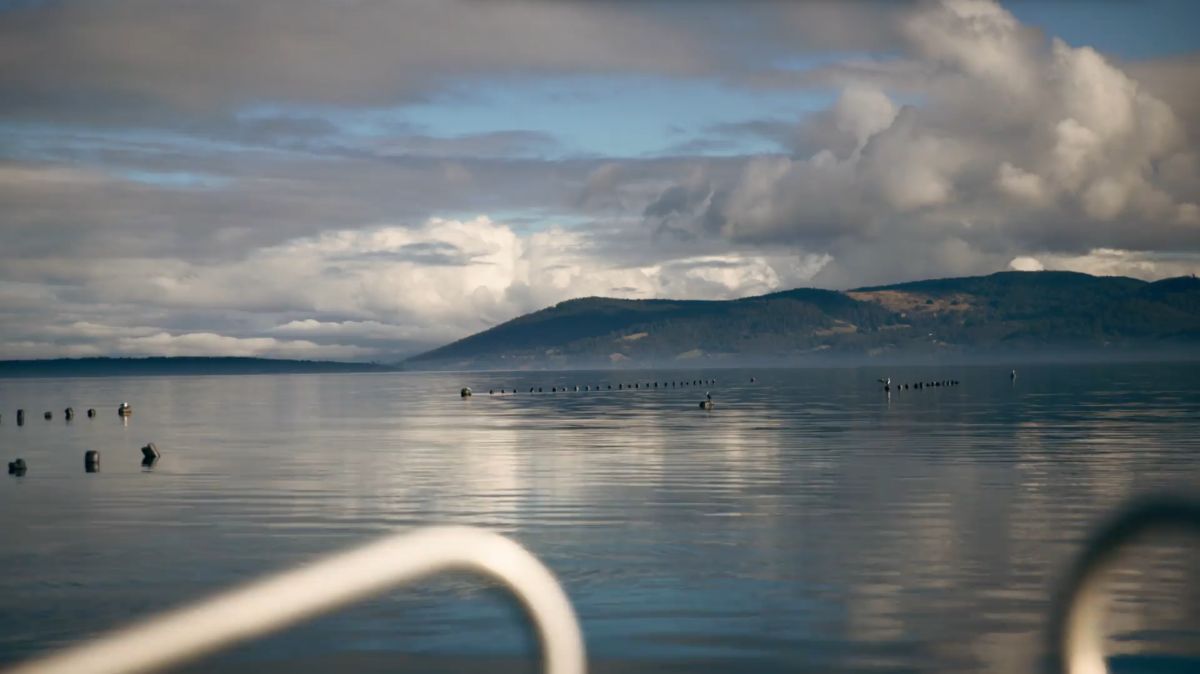
The big news is that Bruny Island Seafarms has been accepted into CSIRO's Innovate to Grow program for aquaculture. It's a structured program that helps companies turn a practical problem into a realistic research project.
Broadly speaking, we are looking at the issue of climate change, warming Tasmanian seas and how we design and deploy integrated multi-trophic seafarming in our waters. Nutrient management and nitrate monitoring is also part of the equation.
Having the CSIRO help us frame this as an achievable research project is extremely valuable and a big step forward. A big thank you to Ruby Brookes for adding her expertise and knowledge to our participation.
Tasmanian Seaweed Working Group
This group meets quarterly and held a session at IMAS Taroona in late August. Toby Cannon attended in person and I joined in online.
The highlight was hearing from the Greenwave NZ team, who were in Tasmania for another conference and agreed to present at this meeting. They're about five years ahead of us in terms of progress and what they've built in New Zealand aligns very closely with what we're setting out to achieve here.
The presentations were very valuable with the NZ team's willingness to talk openly about their early tribulations and the things that didn't work. If we can avoid making the same mistakes, that can really fast track our efforts here.
Greenwave New Zealand
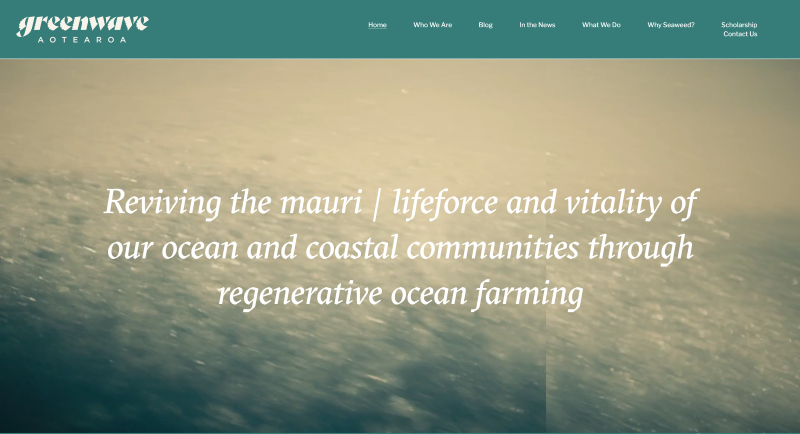
Following on from the TSWG session, we held a Zoom meeting with Ryan Marchington and Peter Randrup from the Greenwave NZ team in mid September.
It was an extremely useful hour. We talked through the background and the vision for both Bruny Island Seafarms and Seafarming Australia. The synergies with what they've built in New Zealand and what we are doing here were obvious to everyone on the call. Ryan made the point that we appear to be the only other operation taking this approach anywhere in Australasia, which was both surprising and very encouraging to hear.
We will now look for ways to collaborate formally, and one avenue is the possibility of collaborating on grant and research applications. Just as valuable is their offer to answer our questions on the practical seafarming side, particularly around site selection. Five years of hard-won experience could help save us from making some time consuming, wasteful and expensive mistakes.
We are looking forward to developing a mutually beneficial and long-term relationship with Greenwave Aotearoa.
A case study for CSIRO and FRDC
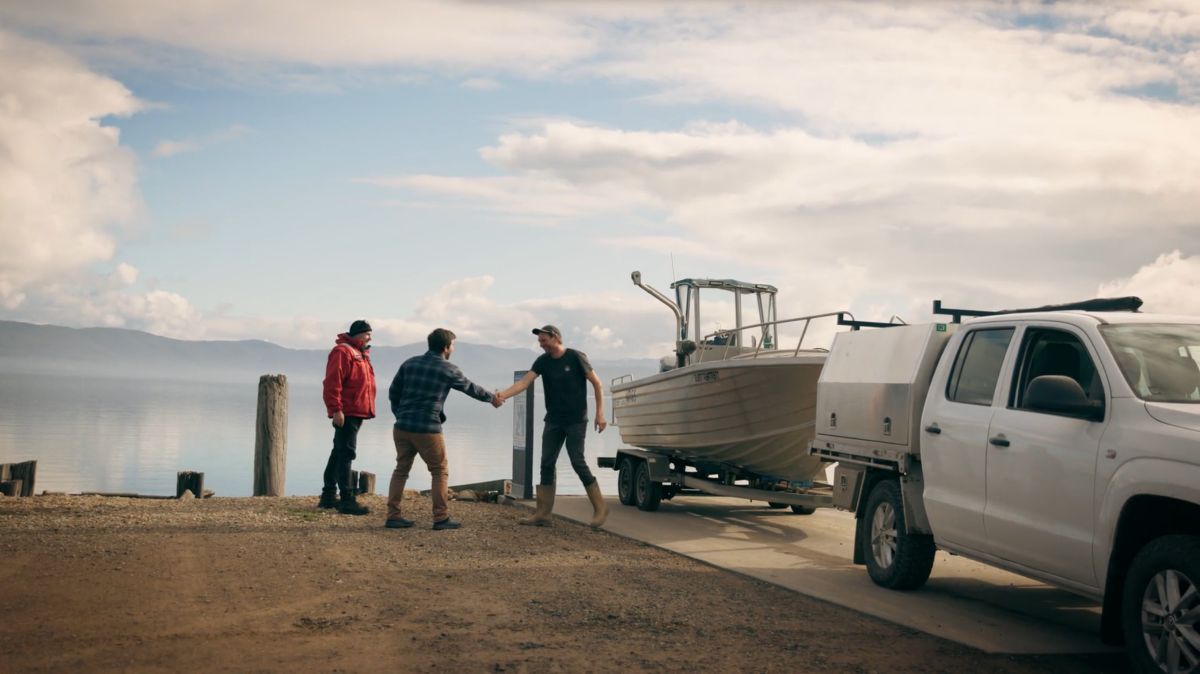
We've been invited to contribute a Bruny Island Seafarms case study to a social licence handbook being produced by CSIRO and the Fisheries Research and Development Corporation.
Social licence is extremely important for a project like ours. Doing this properly means the community understands what we're doing and why. It also means the community has every opportunity to shape it.
To be asked to write up our approach for a national handbook, this early in the project, is a real vote of confidence.
Our thanks to Lily Vanderkelen for her work on the draft.
Education and training

In very exciting news, Seafarming Australia in 2027 will help deliver hands-on marine education and training for students of St Aloysius Catholic College. The school runs strong programs in aquaculture, marine science, biology and environmental science.
The plan is for their Year 11 and 12 VET Aquaculture students to grow seed and spat for our Birchs Bay pilot farm as part of their certification, and then work at the farm site itself, 25 minutes down the road. Pre-tertiary science students would run their own studies on growth rates, and the wider school community gets involved through Science Week, parent information evenings and the school newsletter.
Once the course is up and running, the intention is it becomes a permanent part of the school's VET Aquaculture curriculum. It will also serve as a template for other schools to adopt. We have applied to the Hobart Airport Connecting Communities Award for funding to help this initiative.
Our thanks to Dr Kristen Karsh, another Bruny and community volunteer, for being integral in pulling this together.
An extraordinary response from the community
Since this project started in the middle of last year we've enjoyed enormous community support. It's been both very gratifying and genuinely heart-warming. People from all walks of life have stepped forward to offer their experience, knowledge, networks and support. This was always intended to be a community based project, driven forward by community involvement, and that's exactly what has happened.
The difficulty we face is how to harness all that goodwill and put it to work. Our regenerative seafarming project is still very much at the formative stage, but the momentum behind it is formidable. People are dotted all over the state, nationally and overseas, and they all want to contribute. The question is how to bring that energy and knowledge together and keep the project moving in the right direction?
The answer might be to look back to a more innocent time, before Facebook took over. Remember discussion forums from 15 or 20 years ago? Well, we now have one up and running.
Here are a few examples of how it might work. At the moment we are:
- framing a research project for the CSIRO Innovate to Grow program, where input would be valuable in getting to the best outcome
- developing a 'seed to plate' strategy to help decide what species to cultivate according to market demand
- developing education programs on regenerative aquaculture for both primary and secondary school
- starting community conversations about regenerative seafarming in your own area
You may have something to contribute on one of those, or on all of them. The forum is one way we can start giving people a voice for their ideas and get them actively involved.
Have a look at the discussion forum, login and have your say – click here.
Skills and Support Register
Since this work began we've had a steady stream of offers of help. From people who live locally, from those with trades, tickets and time to give. From researchers and industry specialists. We take every one of those offers seriously and we want to be organised about it rather than ad hoc.
So the Foundation has opened a Skills and Supporter Register. It takes a few minutes to fill in and joining commits you to nothing. It just means that when an opportunity or task comes up that suits your knowledge, experience or enthusiasm, we know who to call.
Add your name at the Skills and Supporters Register.
Help us restore the ocean
Creating jobs with 100% regenerative ocean farms. Now and for the future. Support the foundation or join the community.