
We went to Brittany and it was a revelation (if you’re into seaweed).
A dispatch from the road — and what it means for what we’re building here in Tasmania
Nathalie and I have just spent a week driving the entire coast of Brittany, France, and what was supposed to be a casual road trip turned into a sea farming study tour. We had no idea of the size and scope of the seaweed and shellfish industry there. It was quite fascinating to see first-hand how it is embedded into the local culture and talk to people running these businesses.
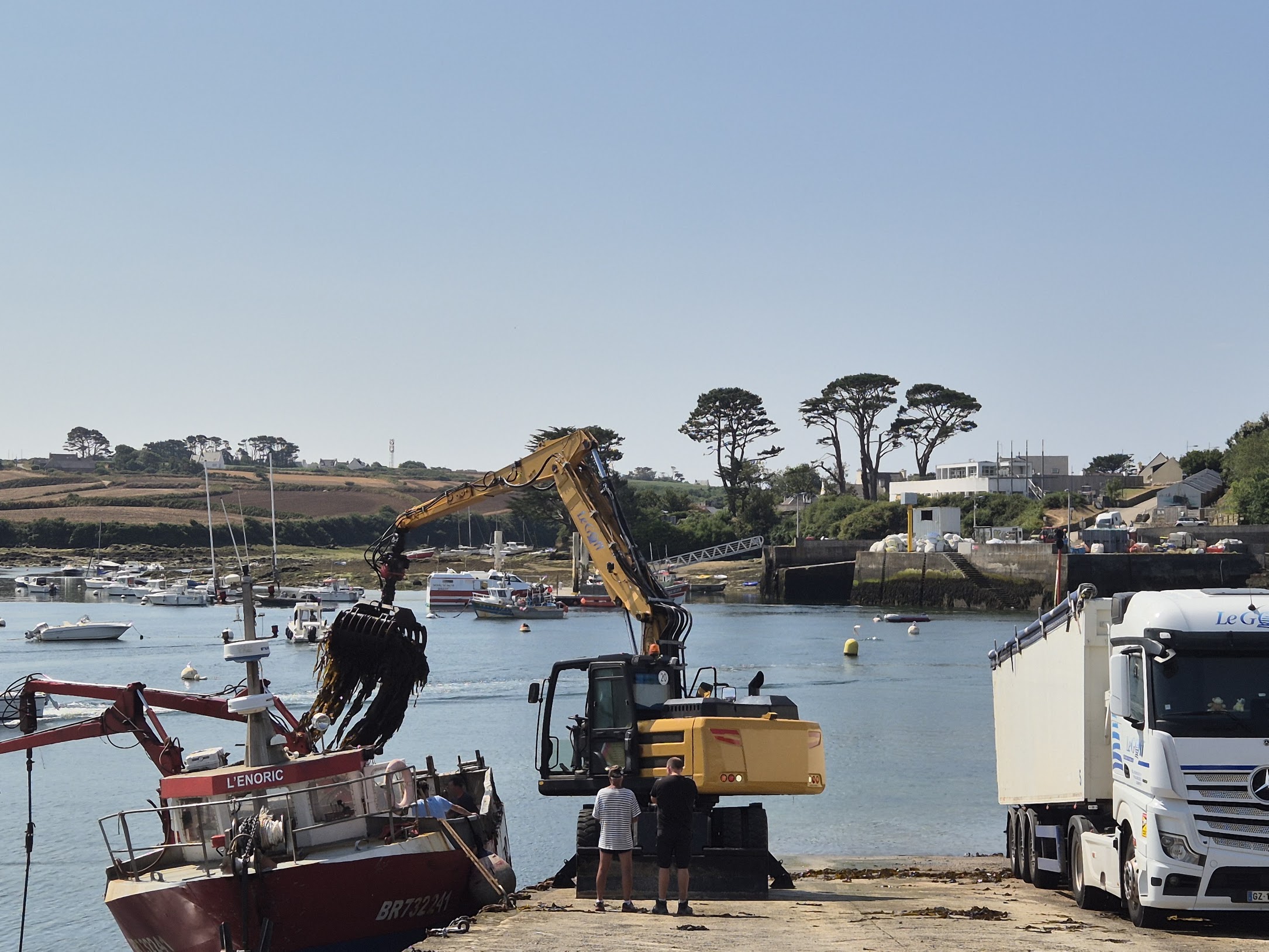
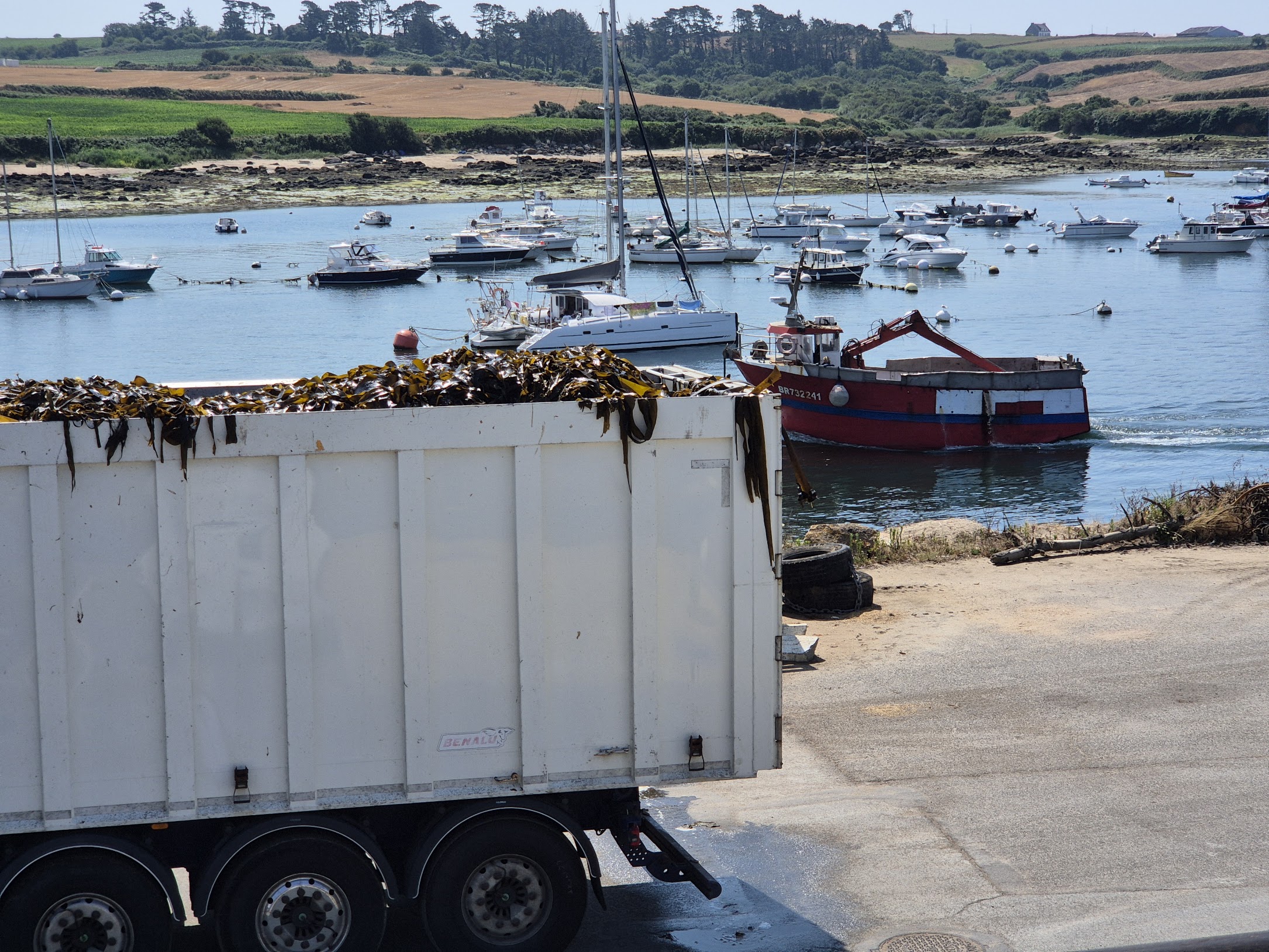
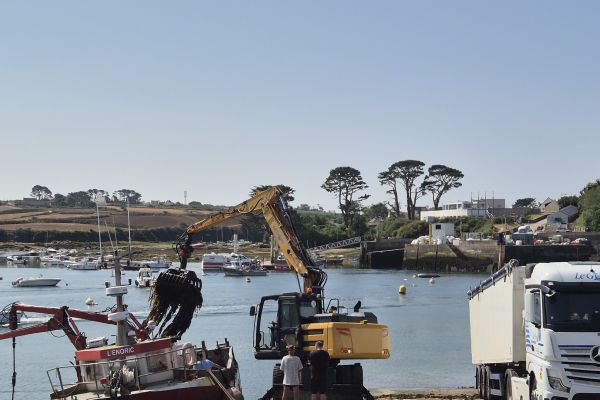
We knew that Brittany is one of the world’s great shellfish coasts but didn’t understand the size and history of the seaweed industry. What we didn’t fully appreciate — until we were standing on the dock at Lanildut watching a 60-tonne load of freshly harvested kelp being swung off a boat by an industrial grab arm and straight into a semi trailer for transport — was the scale of it. This is a region that has been farming the ocean for generations and has built something extraordinary as a result.So here’s our update from the road. The things that were a revelation. The conversations that made us think and take stock. And what all of it means for what we’re trying to build here in Tasmania.
 |
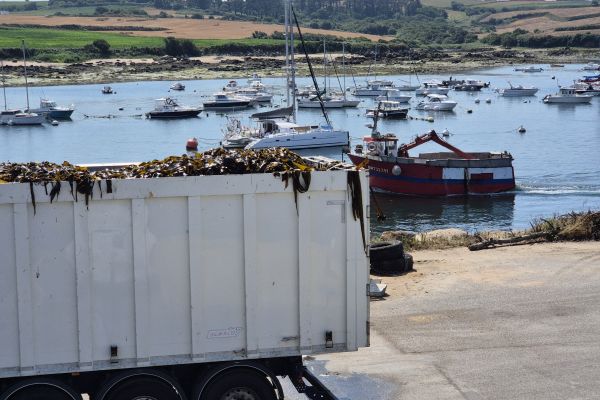 |
The working port at Lanildut — seaweed harvest vessel L’Enoric unloading directly into a truck for transport and processing.
The numbers that made us sit up and take notice
We spent a morning at the Seaweed Museum in Lanildut — yes, there is an actual seaweed museum, and yes, it is absolutely worth a visit — and came away with a set of statistics that made me think about what we could achieve back home.
France processes 90,000 tonnes of fresh seaweed every year, making it the world’s 9th largest seaweed producer. There are 124 companies operating in the Brittany seaweed sector alone. The industry supports 1,600 harvesting jobs on land and water — and that’s before you count anyone in processing or manufacturing. Total sector turnover: the equivalent of AUD $850 million.
One single producer, Algolesko, farms 350 hectares. One hundred and fifty of those hectares are on a single site. They run their own hatchery, grow their own stock, harvest it, dry it, salt it, freeze it, and send it to market. The whole chain, in-house, at scale.
Tasmania has a coastline that stretches for hundreds of kilometres. We have existing aquaculture knowledge and great seaweed related resources in both the academic world and business. We have everything Brittany had when it started building this industry and more — and we have something Brittany didn’t have: the benefit of watching what they’ve learned, and what they’re now losing.
What seaweed looks like when it’s part of the norm
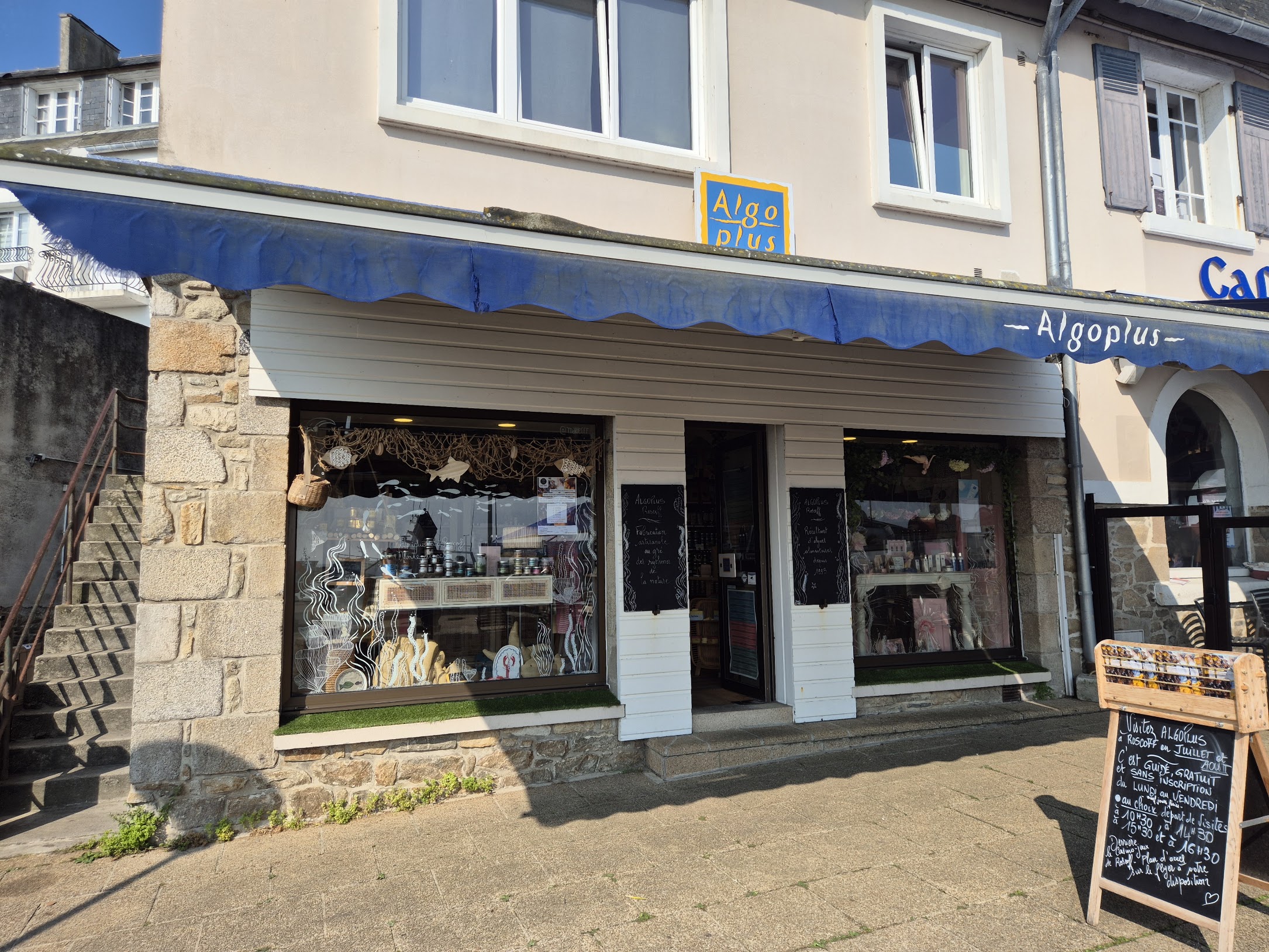
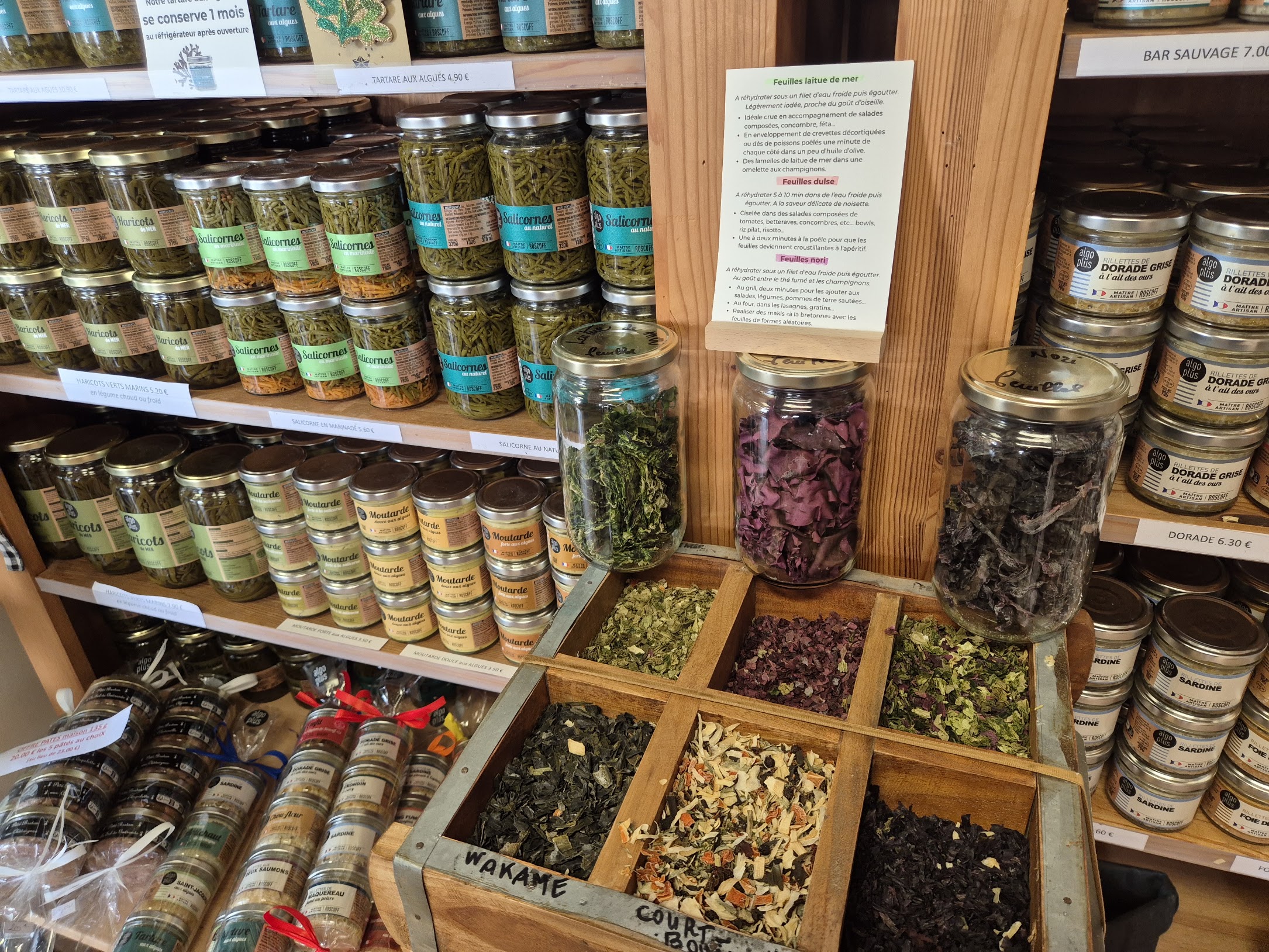
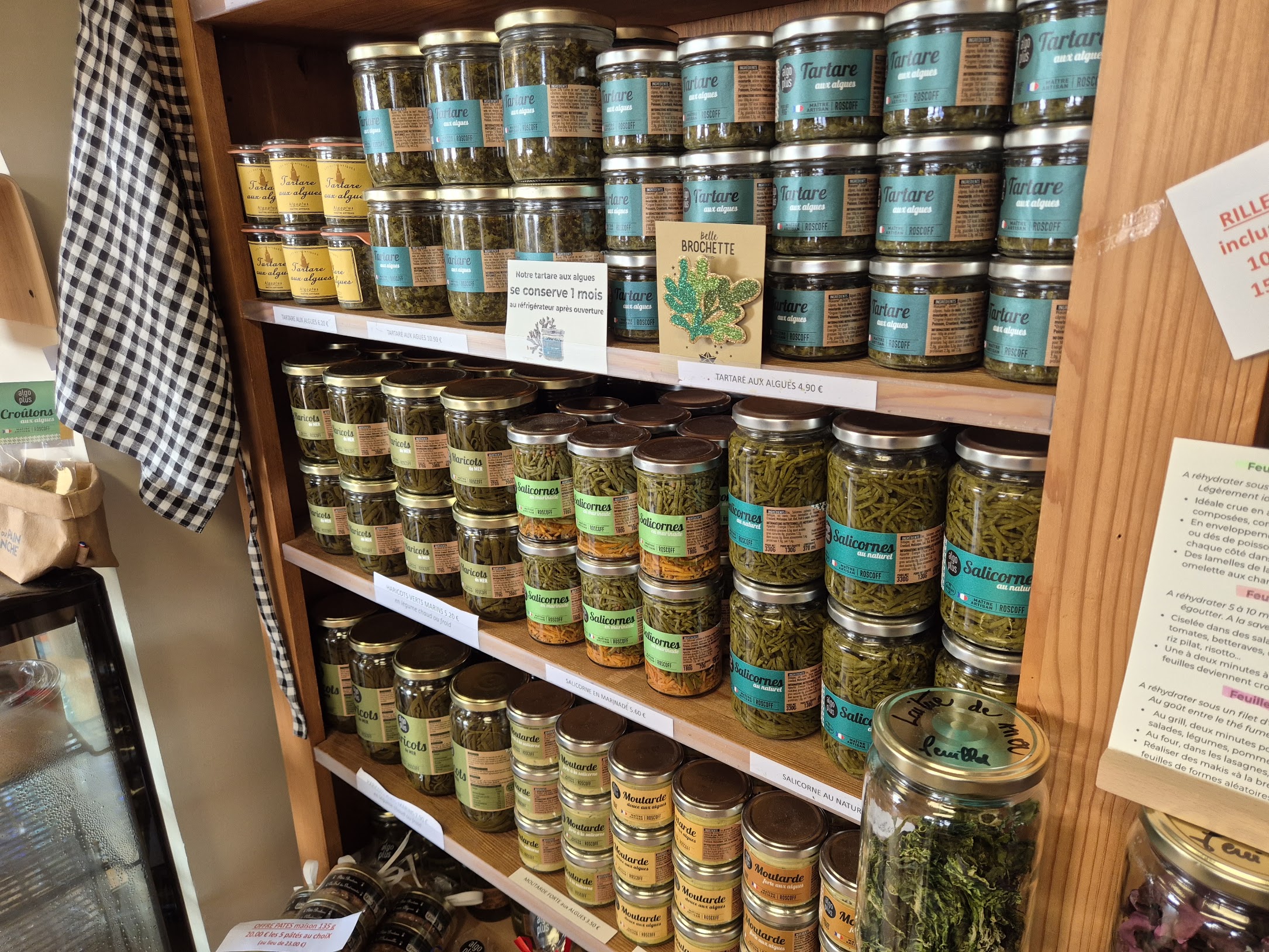
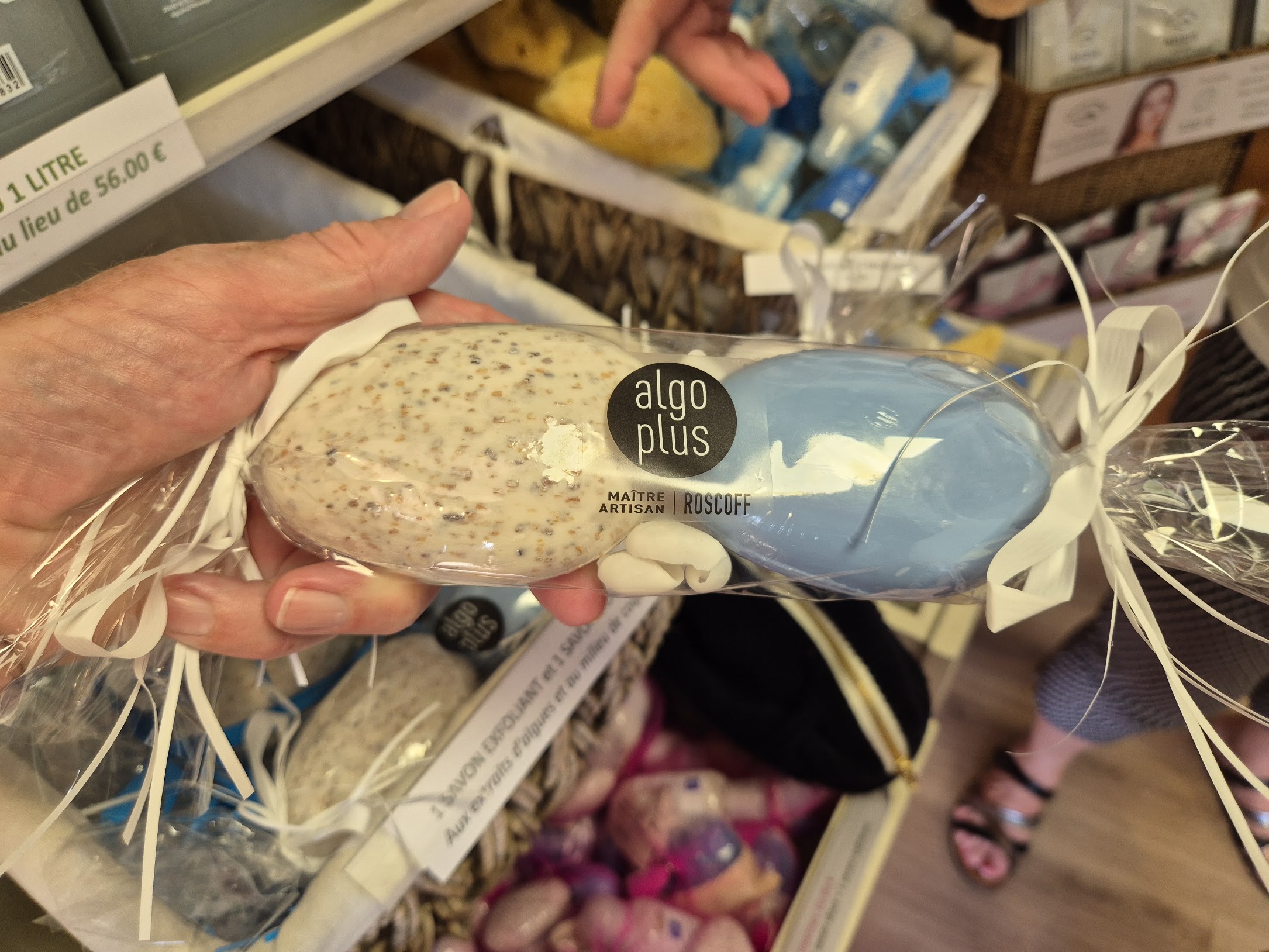
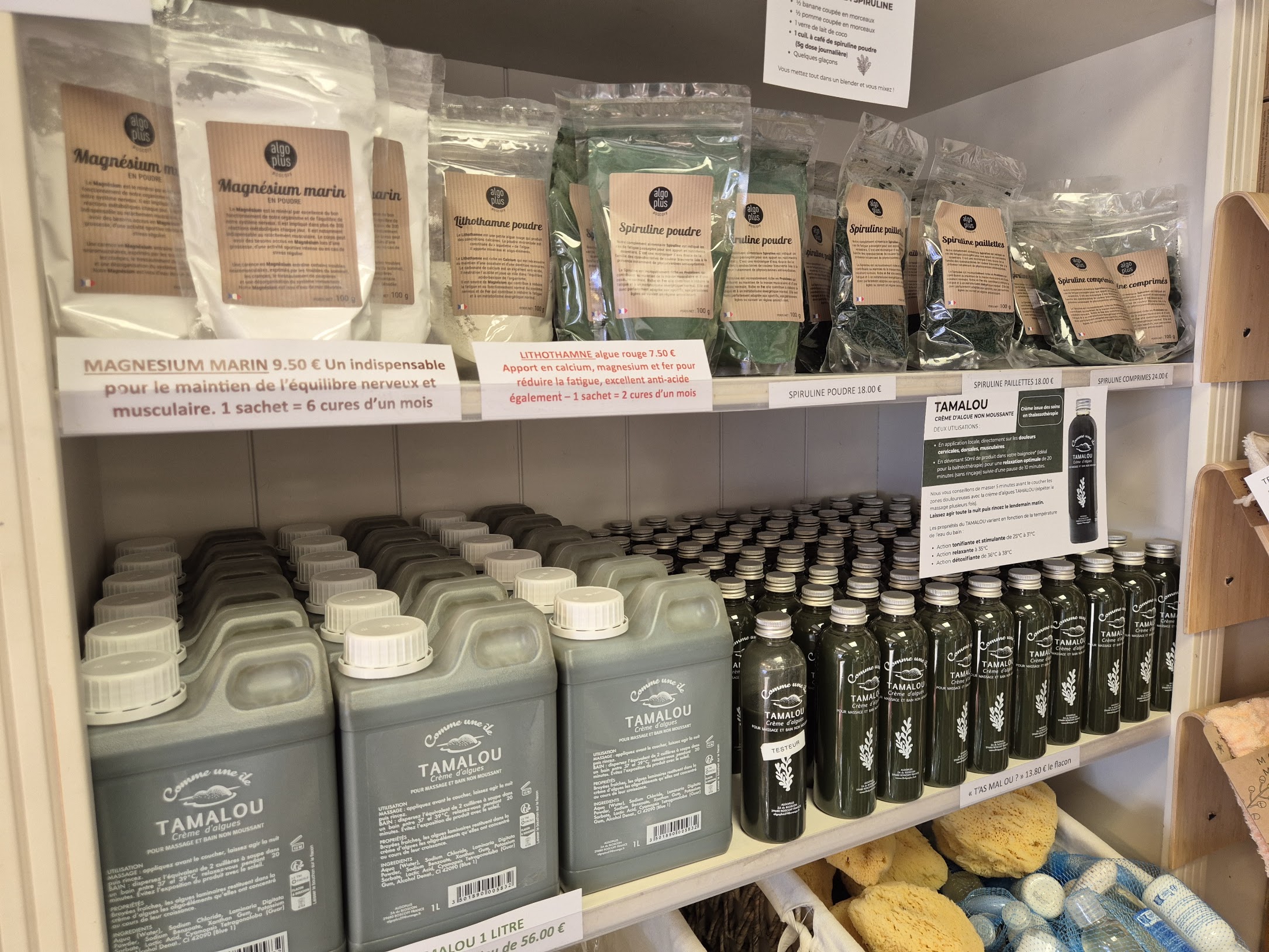
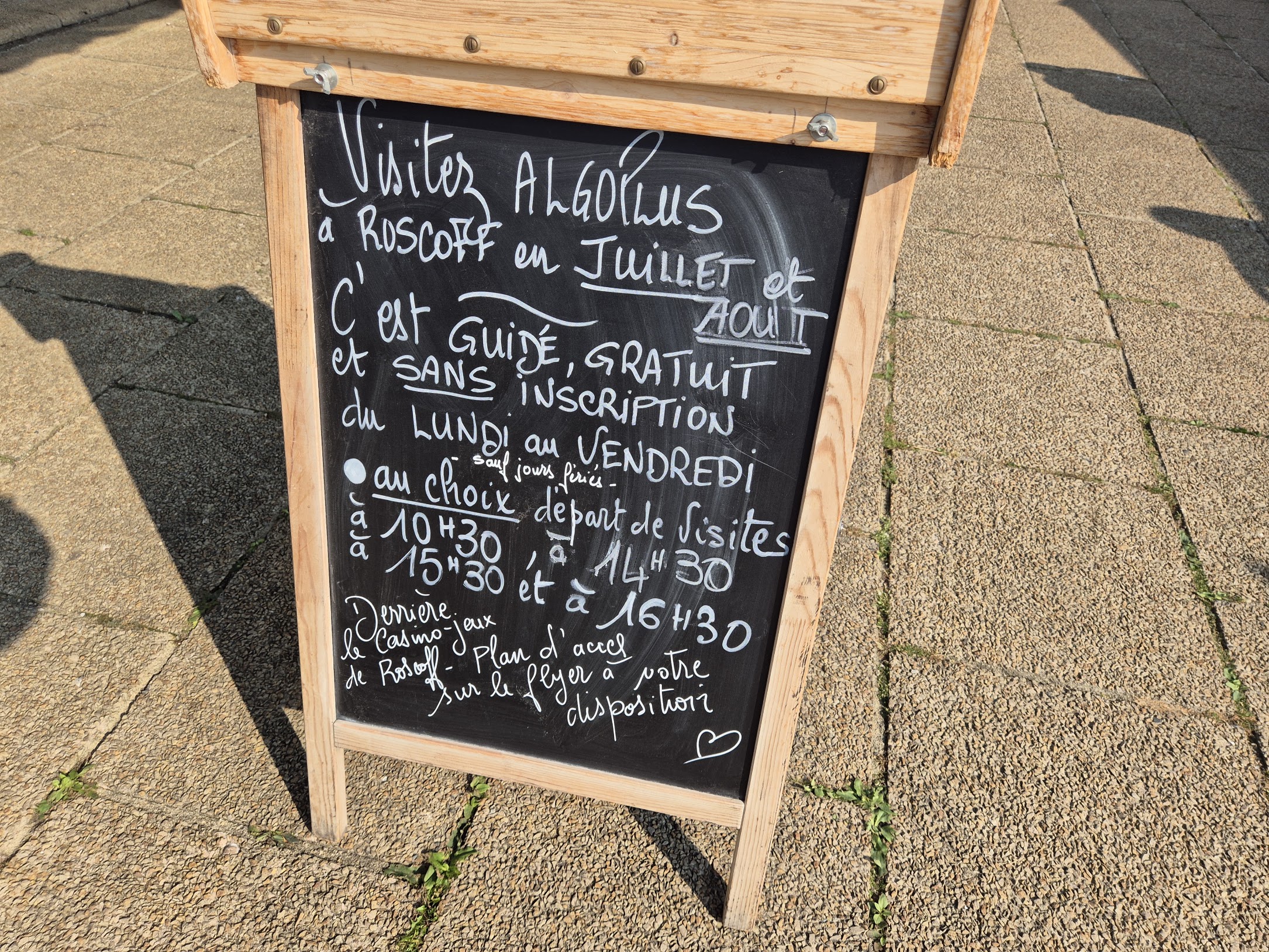
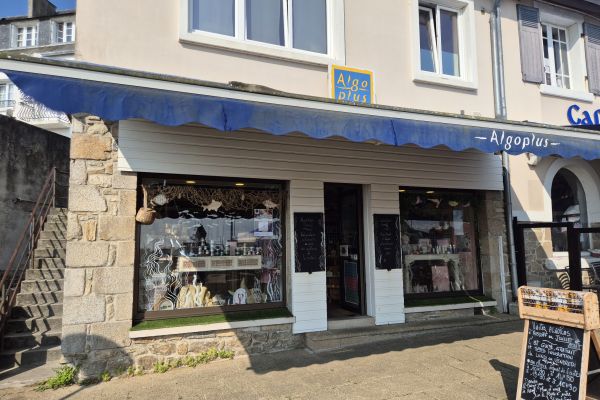
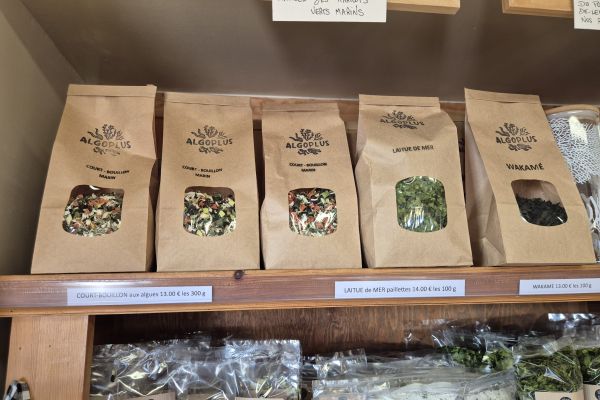
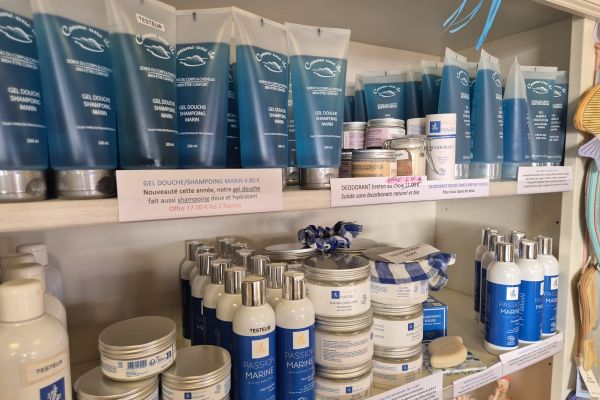
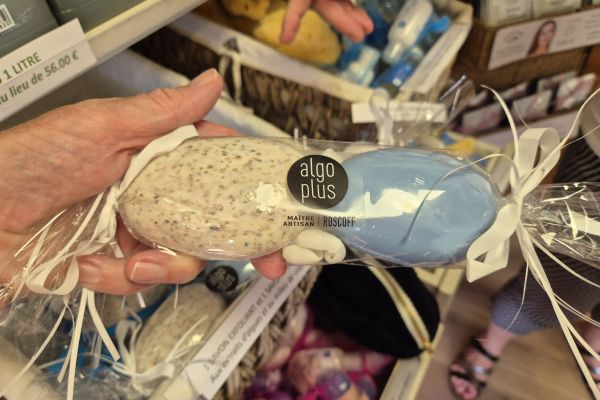
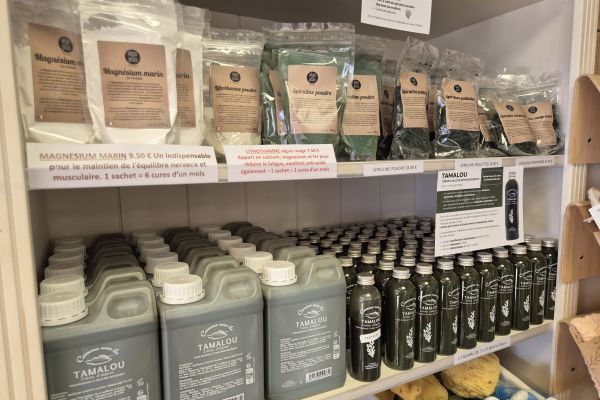
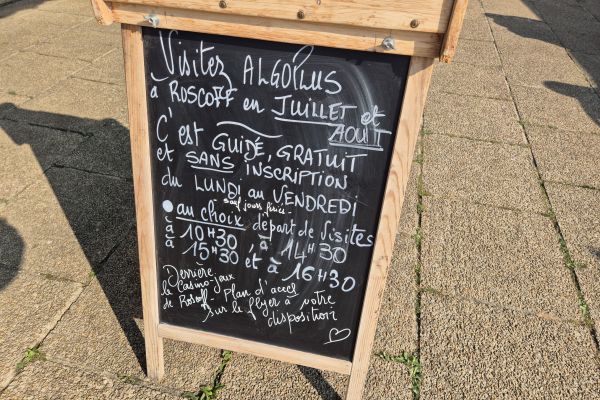
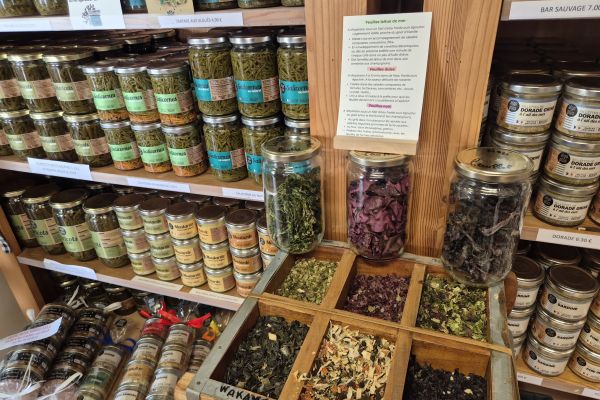
One of the highlights of the trip was our visit to Algoplus in Roscoff — a seaweed producer with a very popular retail store right on the waterfront, a working artisanal cannery behind it, and guided tours running twice a day through summer. We were amazed at the range of seaweed related products in the shop. I could picture something similar happening on Bruny Island. Locally cultivated, locally processed and sold via our own outlet. Why not a similar store in Dover, one in St Helens, Bicheno, Swansea…? You get the picture.
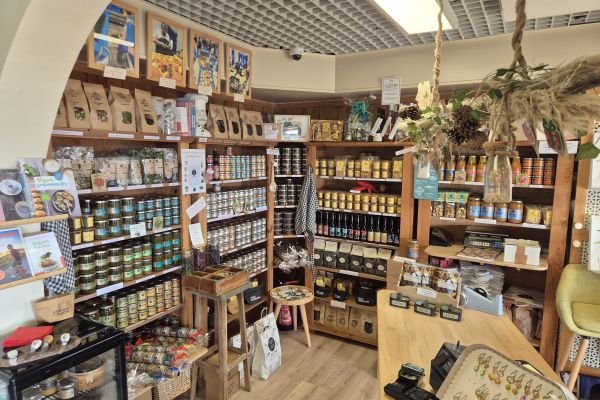
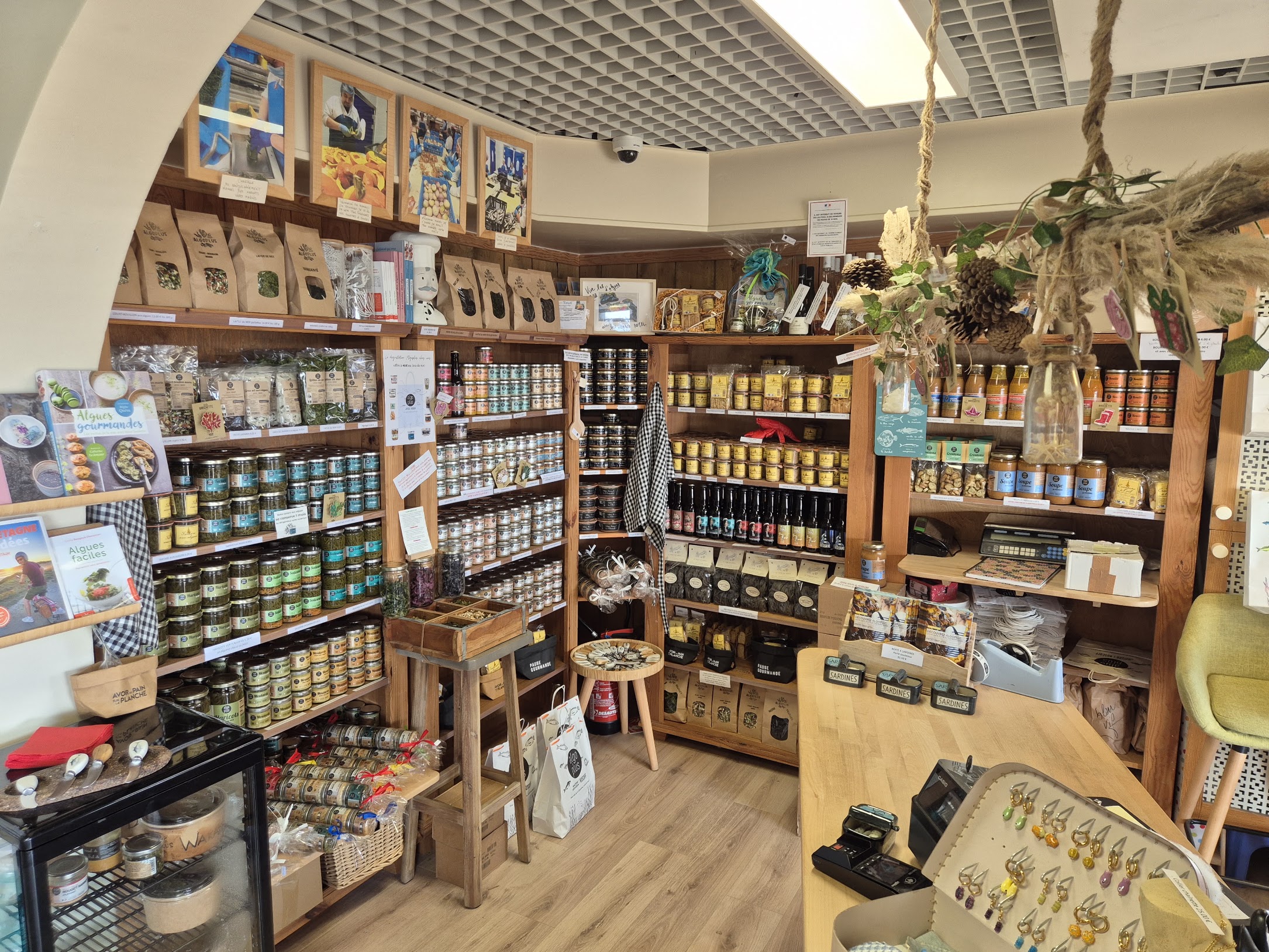
Algoplus in Roscoff — a seaweed destination with guided cannery tours, a full retail range, and a huge range of products.
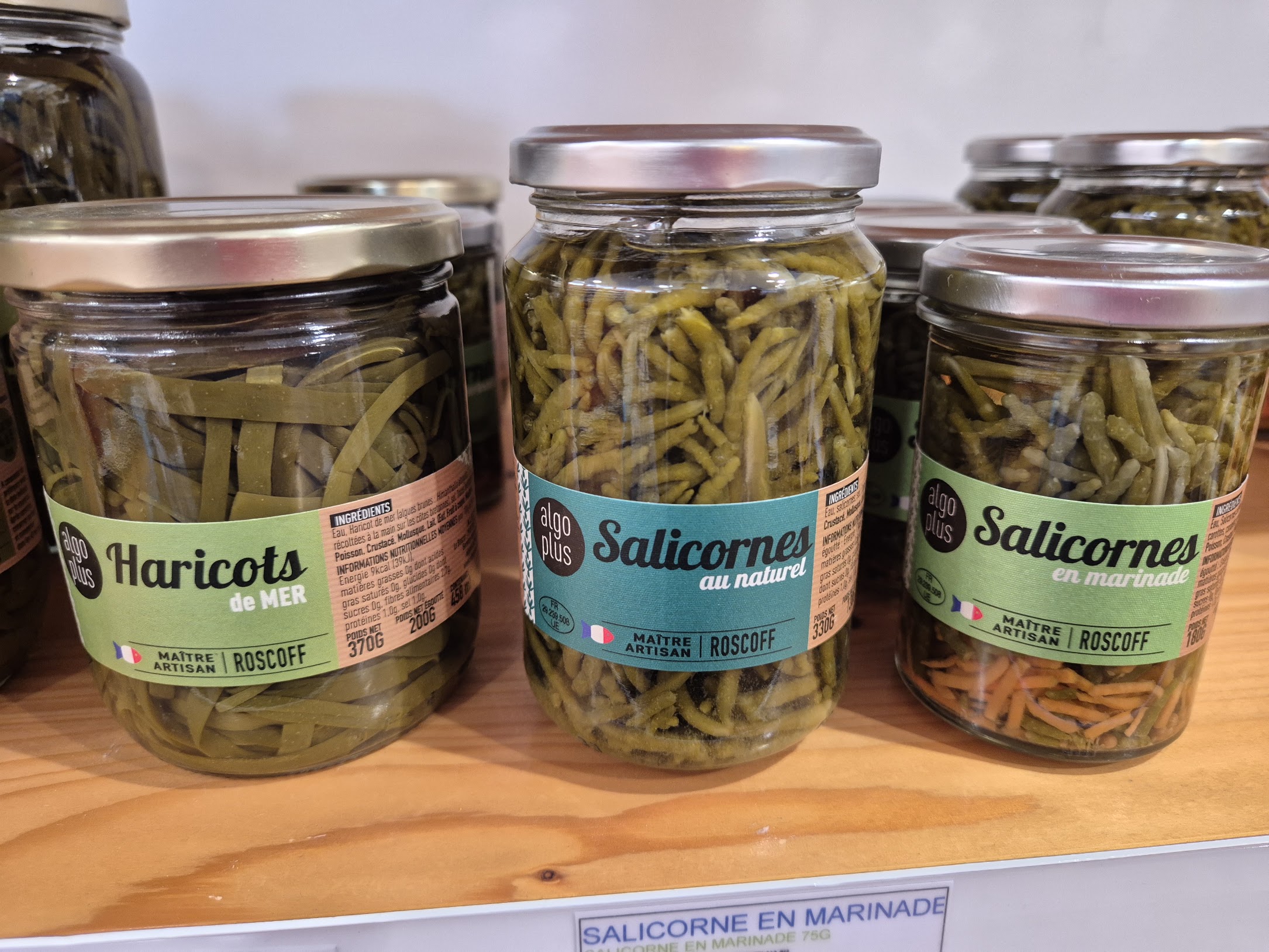
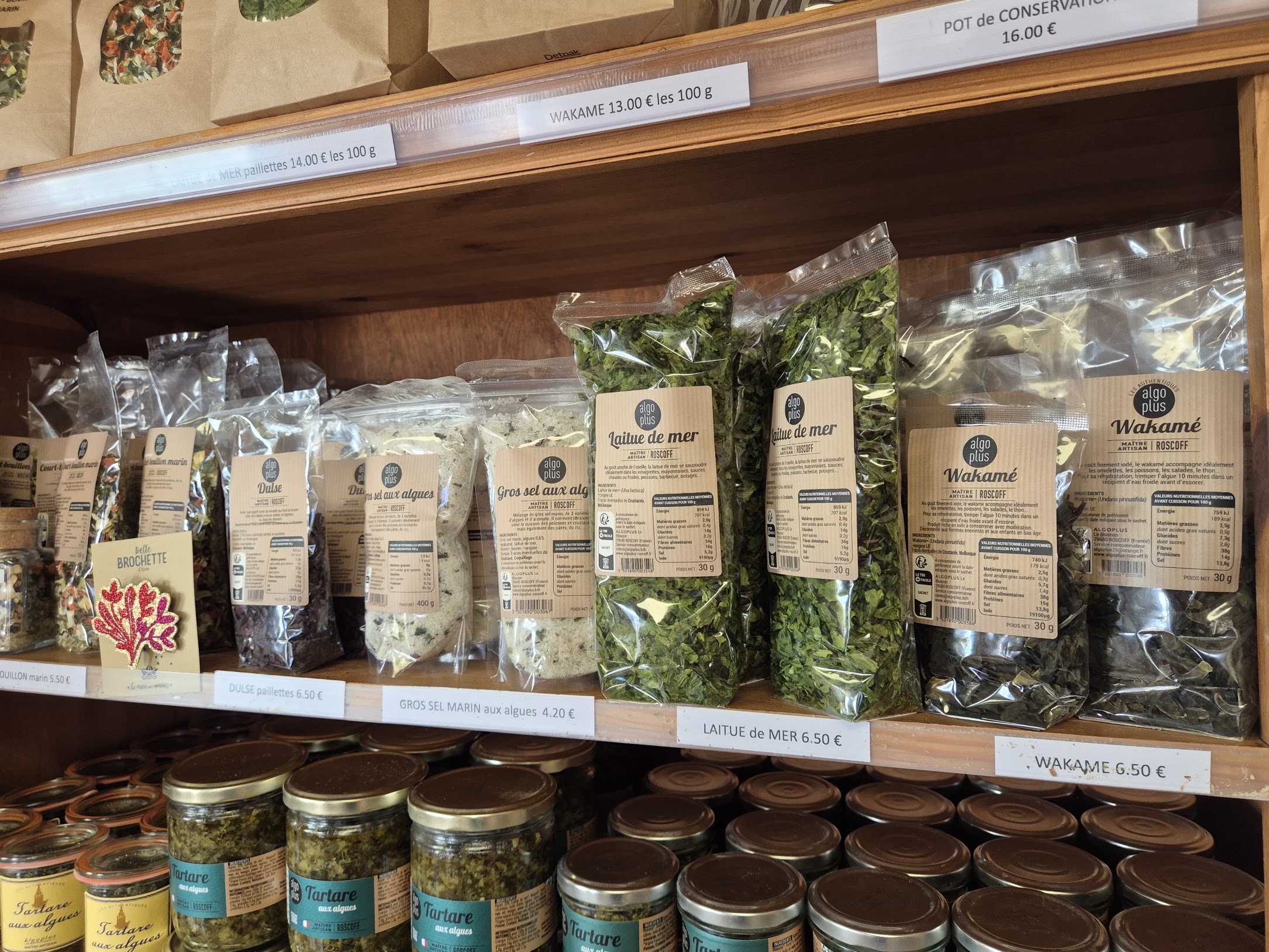
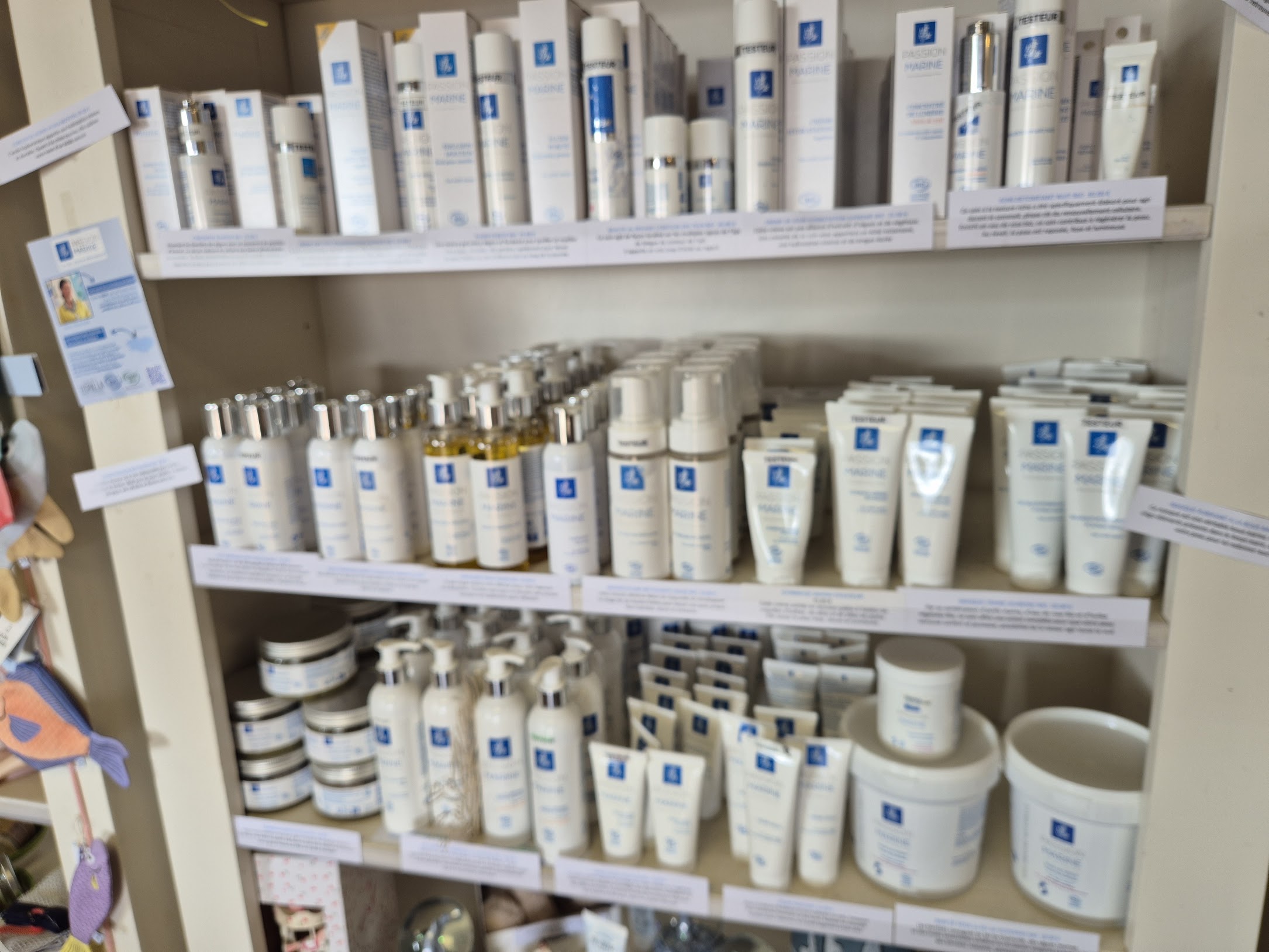
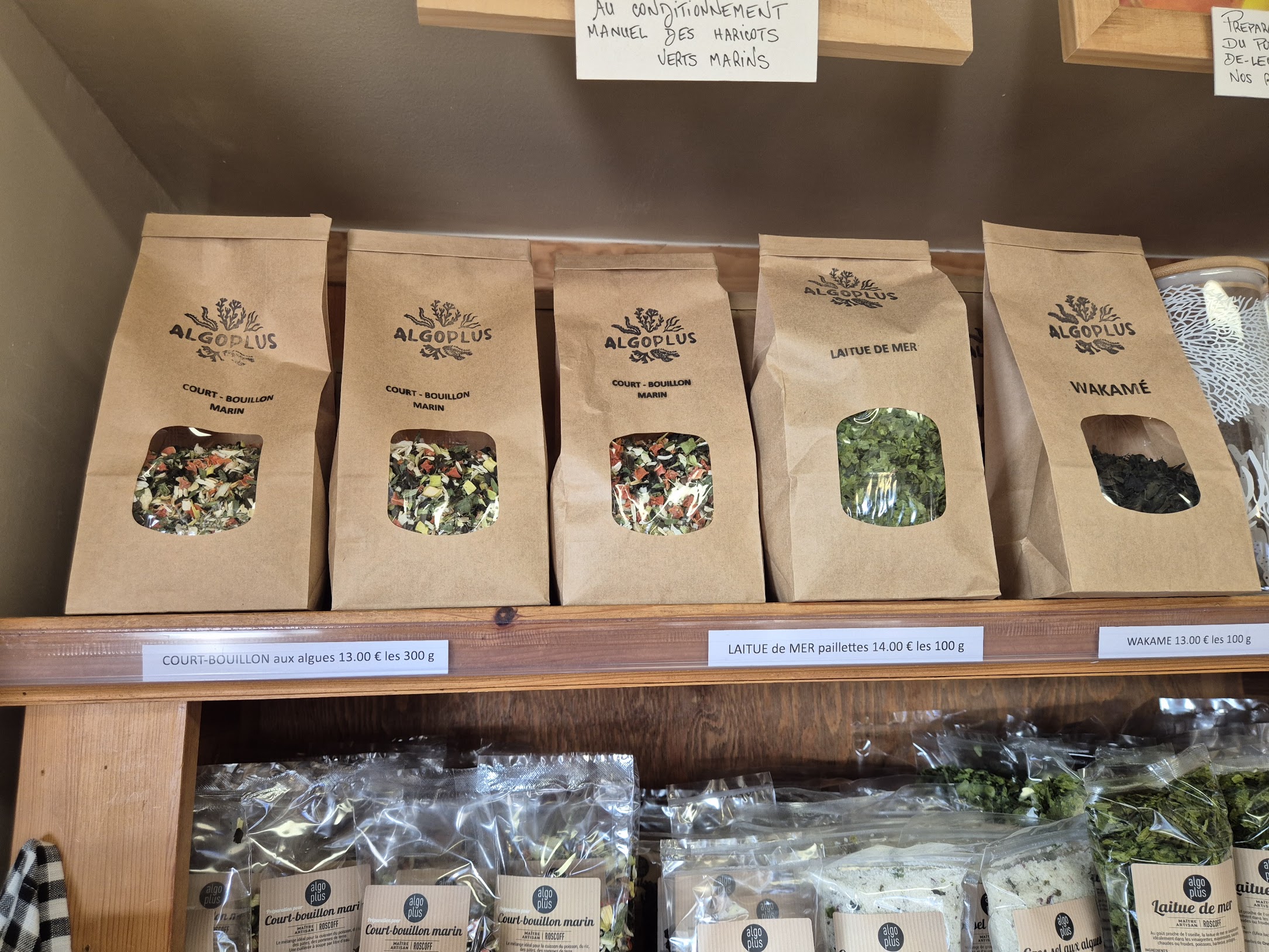
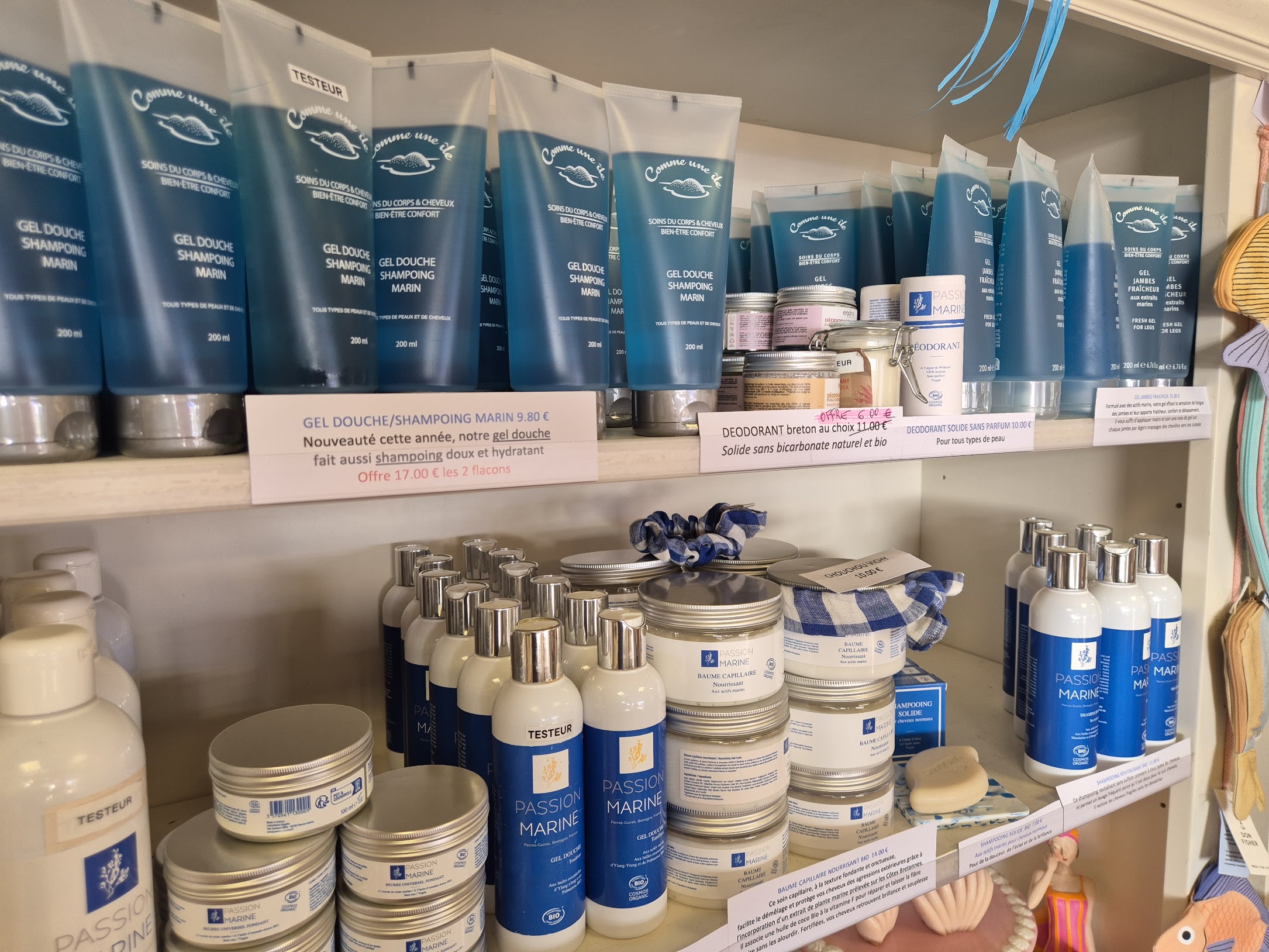
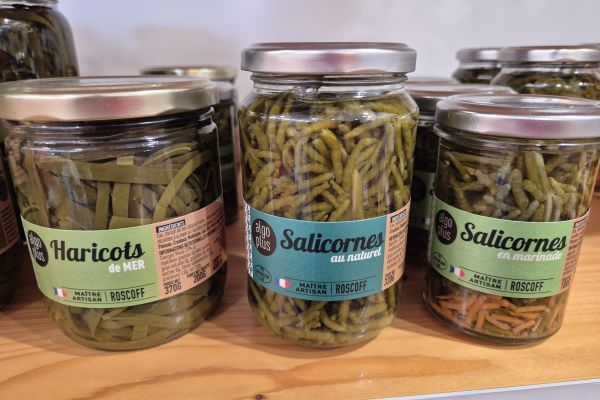
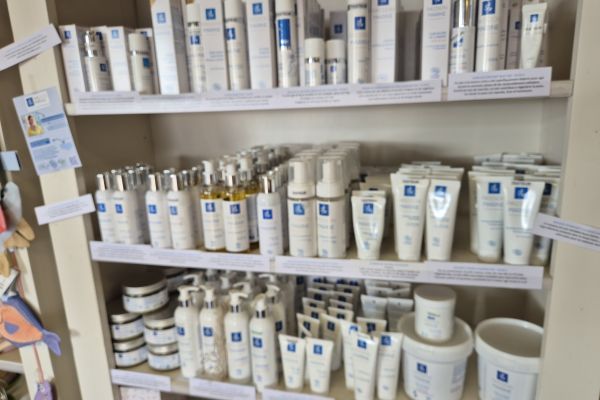
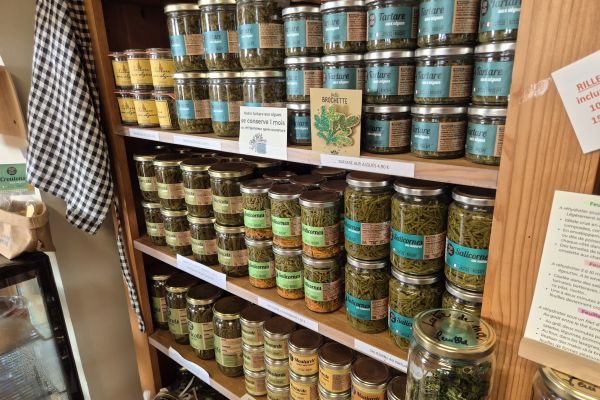
The shelves were extraordinary. Dried wakame, sea lettuce, dulse, seaweed-infused sea salt, seaweed tartare, seaweed mustard, rillettes of sea bream. A full wall of seaweed-derived cosmetics. Products ranging from a few euros to premium gift sets. And the place was busy — French families, tourists, locals popping in for their weekly shop. Seaweed is not a novelty here. It’s just another food.
 |
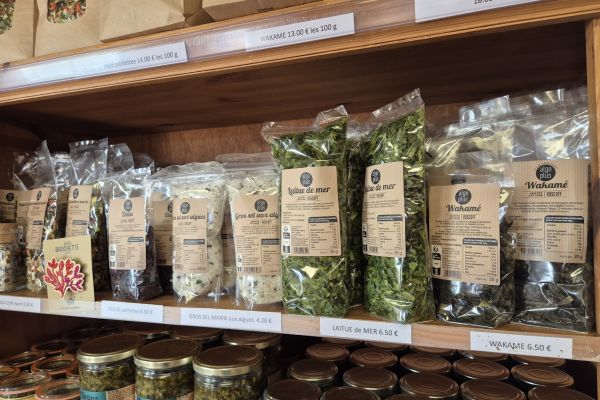 |
A fraction of the Algoplus range — dried wakame at €6.50 per 30g sits alongside seaweed condiments, sea salts, and preserved seafood.
The cosmetics wall at Algoplus — seaweed-derived skincare occupying an entire section of the store.
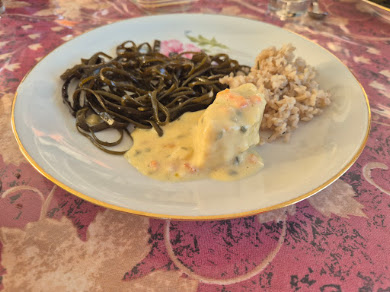
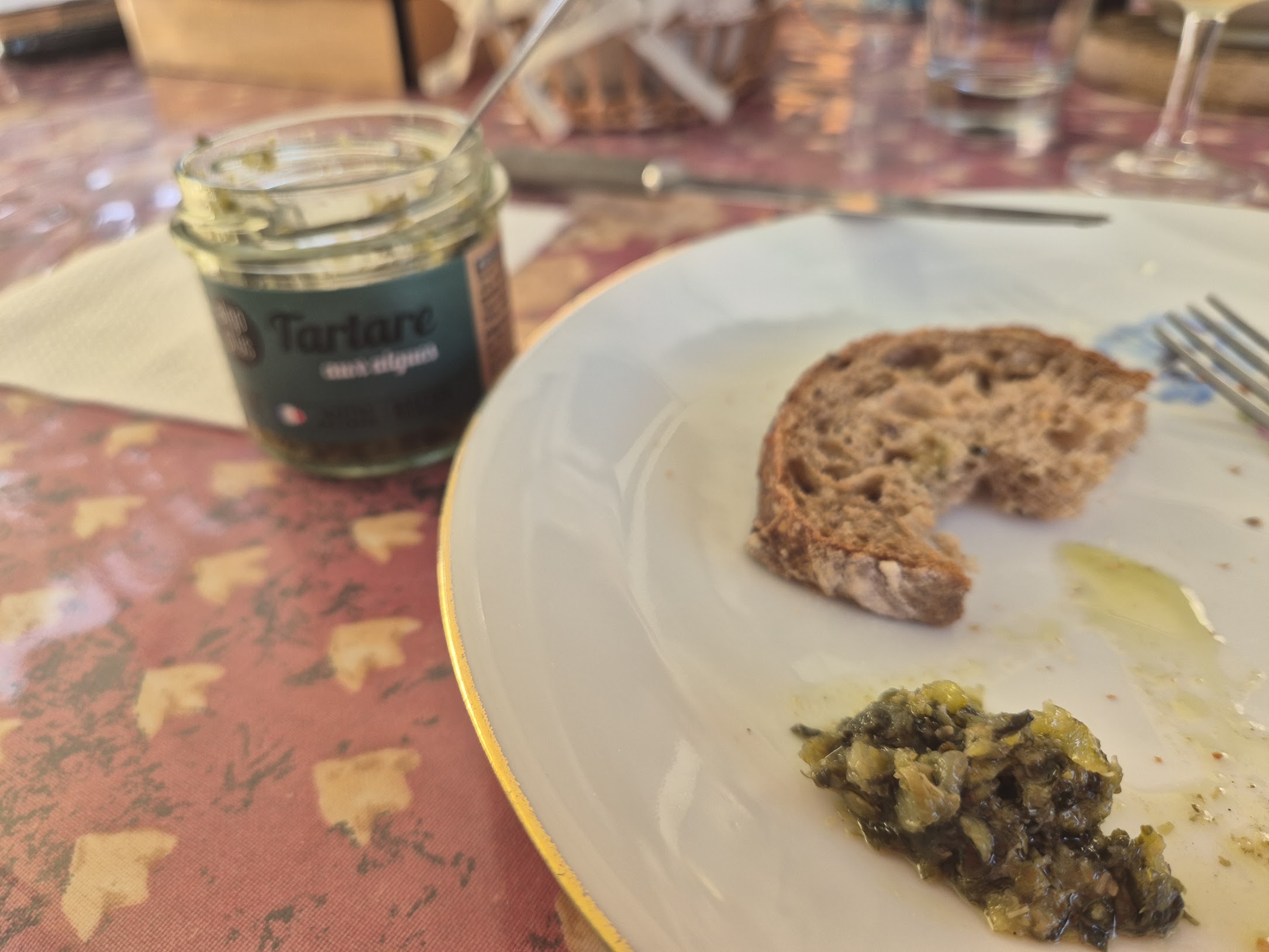
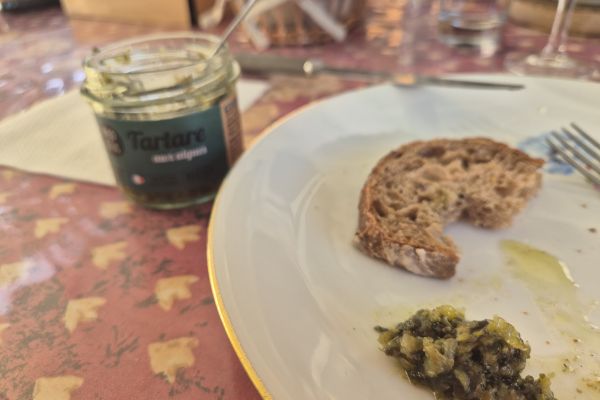
We bought a few things to bring home and try. That evening, we sat down to seaweed tartare on sourdough as an entrée, and a main of seaweed based haricots de mer with a scallop mousse in cream sauce. It was genuinely delicious. More than that, it felt completely normal — which is exactly the point. Getting to that kind of cultural normalisation doesn’t happen by accident. It takes producers who believe in what they’re growing, gradual community acceptance and a bit of patience.
 |
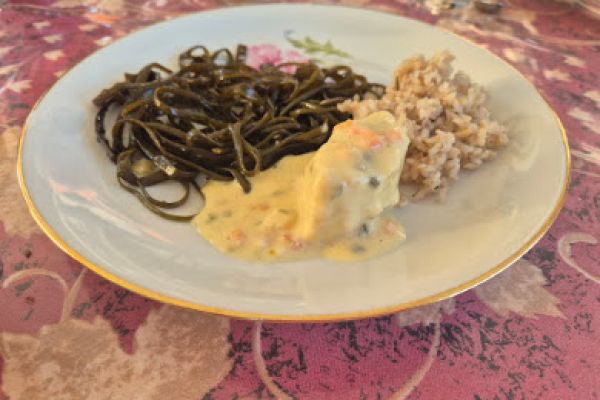 |
Algoplus products on the table that evening — seaweed tartare on sourdough, and seaweed based haricots de mer with a scallop mousse in cream sauce. Both were excellent.
A founder’s story that felt familiar
At C-Weed Aquaculture, we met Magali Molla, who co-founded the business with her partner Jean-François in December 2000. Magali grew up in Picardy, which is about as far inland as France gets. She had no coastal background, no fishing family history, no saltwater childhood. She trained as an engineer, specialised in aquaculture production techniques, and then simply decided to go and build a seaweed cultivation business on the Breton coast.
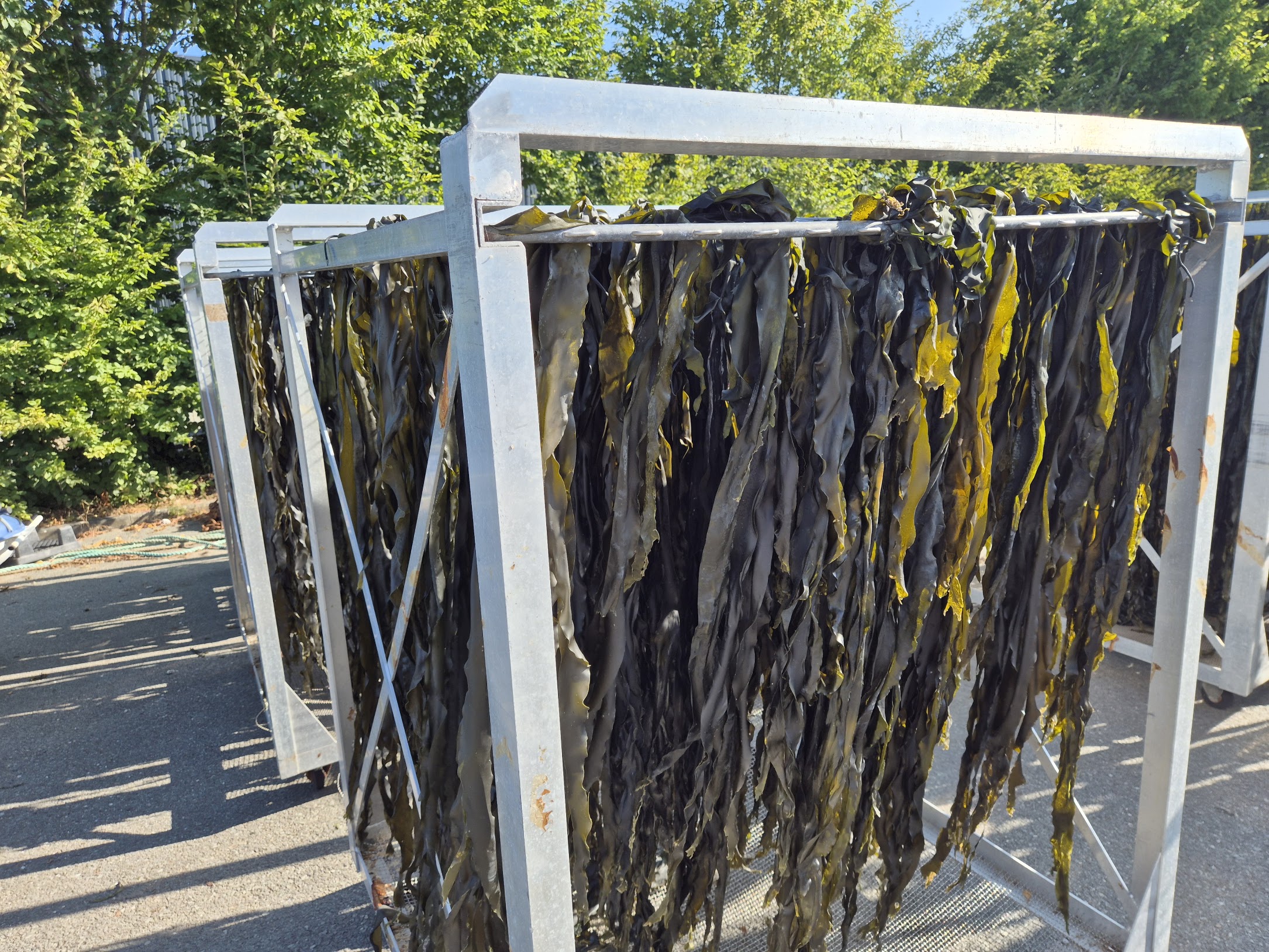
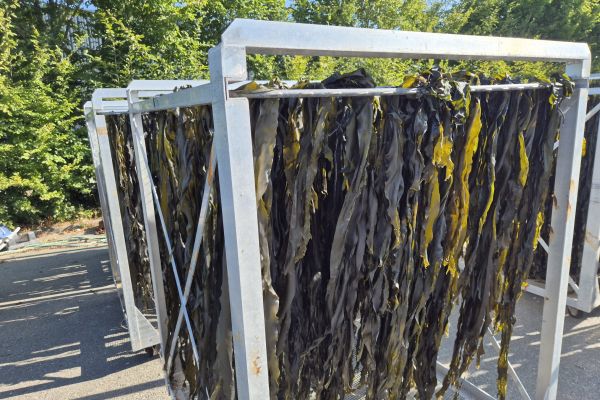
Twenty-five years later, she’s still running it. Her kelp fronds were hanging from galvanised drying racks in the sun when we arrived. Her branded delivery van was parked out front, ready for the next run to trade and retail customers. C-Weed is a modest, well-run, completely self-sufficient operation — and Magali and Jean-François built it from nothing, in a place she wasn’t from, around a product most people thought was a weed.
I found their story quietly inspiring. We had a good chat for about half an hour. The parallels weren’t lost on either of us.
 |
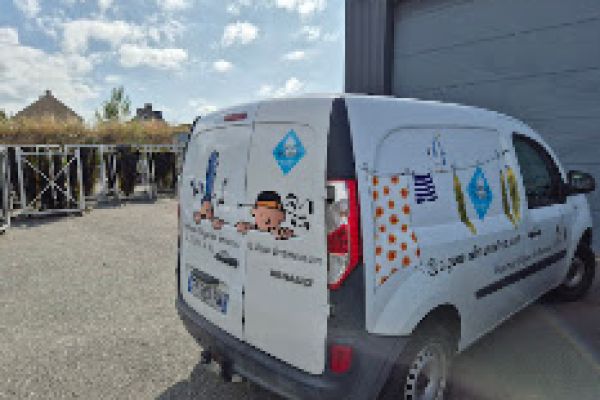 |
C-Weed Aquaculture: freshly harvested kelp air-drying on racks outside the facility; the C-Weed delivery van heading out on its rounds.
The other half of the story
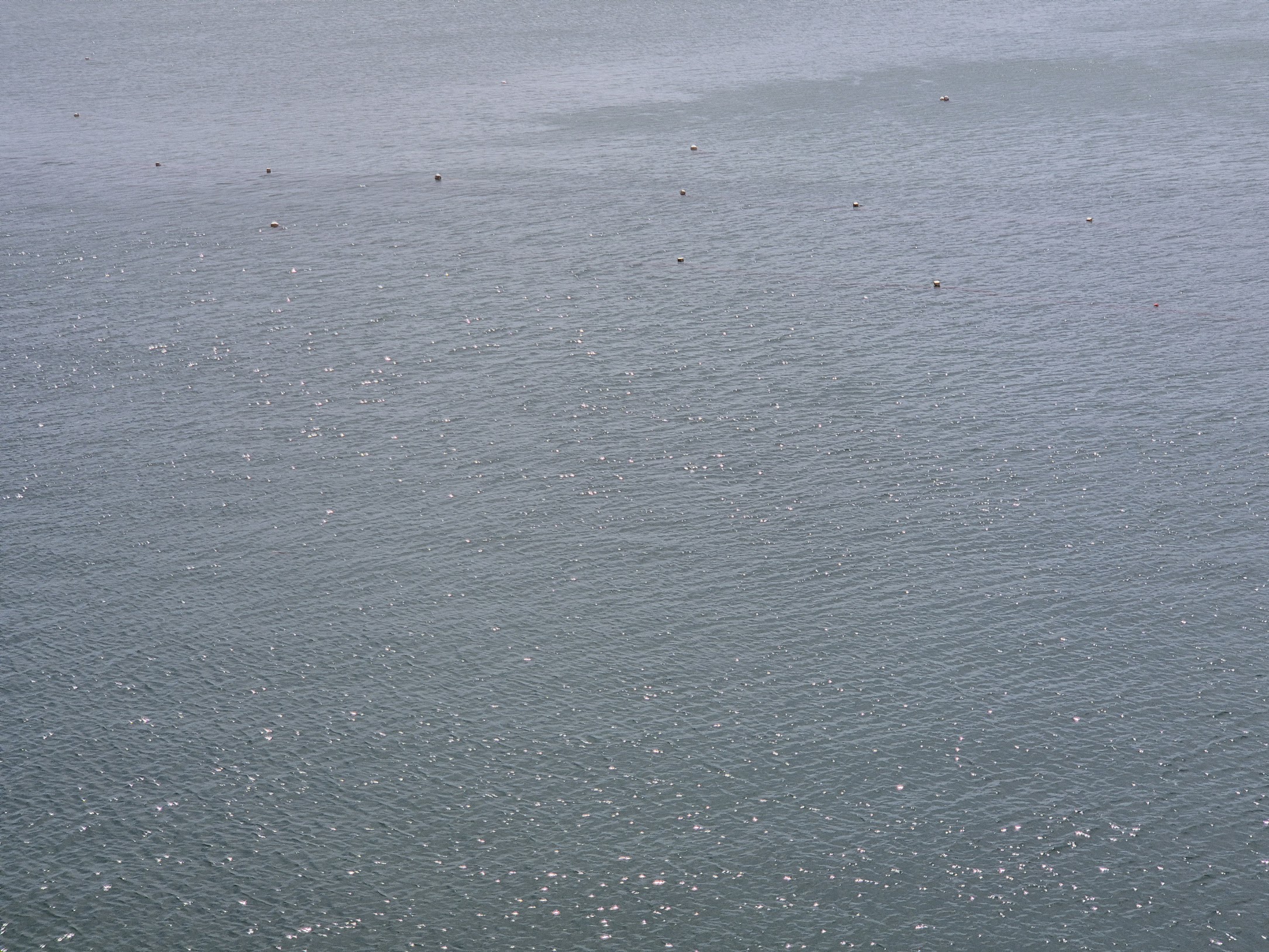
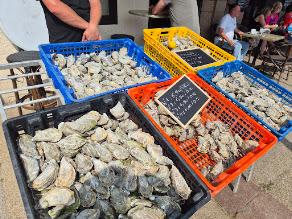
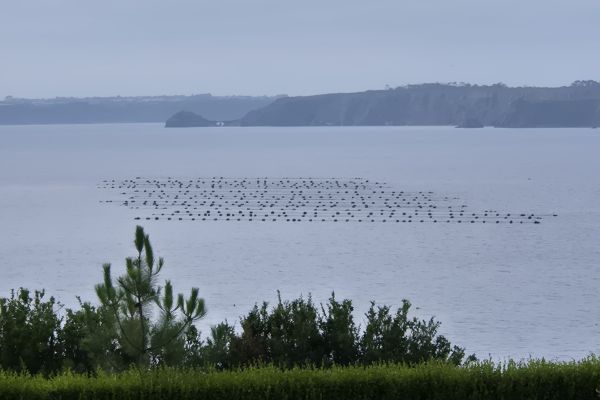
Seaweed wasn’t the only thing we came to see. The shellfish industry along the Brittany coast is equally impressive — mussel longlines dot the coastline, oyster barges working the shallows of the Gulf of Morbihan, street vendors selling fresh oysters by the dozen. (For those interested, No. 1, 2 and 3 graded at €6.50 per dozen. No. 4 at €6.00.) Straight off the boat. We even saw street side vending machines where you could buy your oysters 24/7. That was interesting!
 |
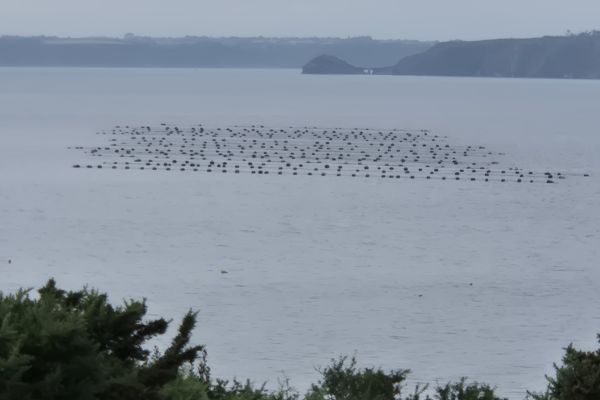 |
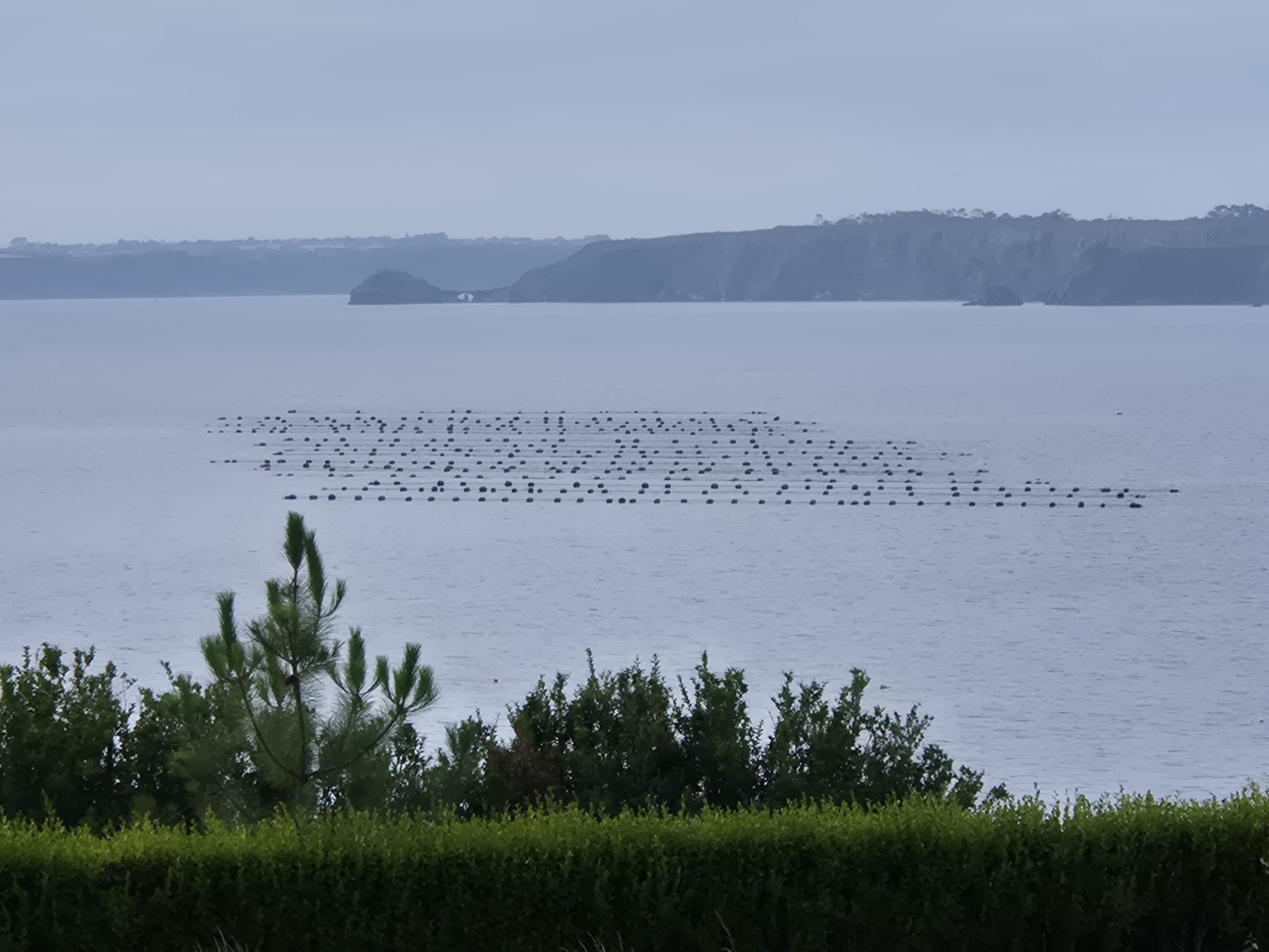
Mussel longline farm off Camaret-sur-Mer on the Crozon Peninsula — photographed from the clifftop above.
 |
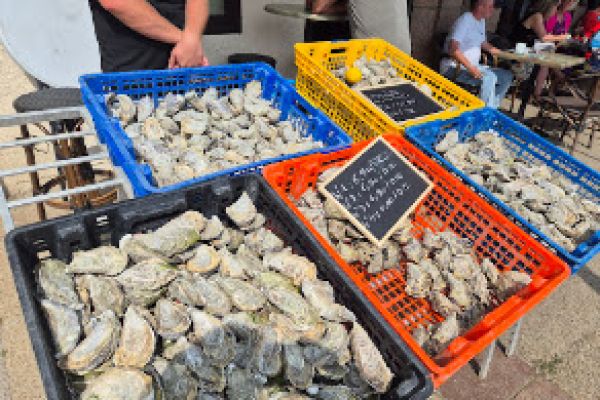 |
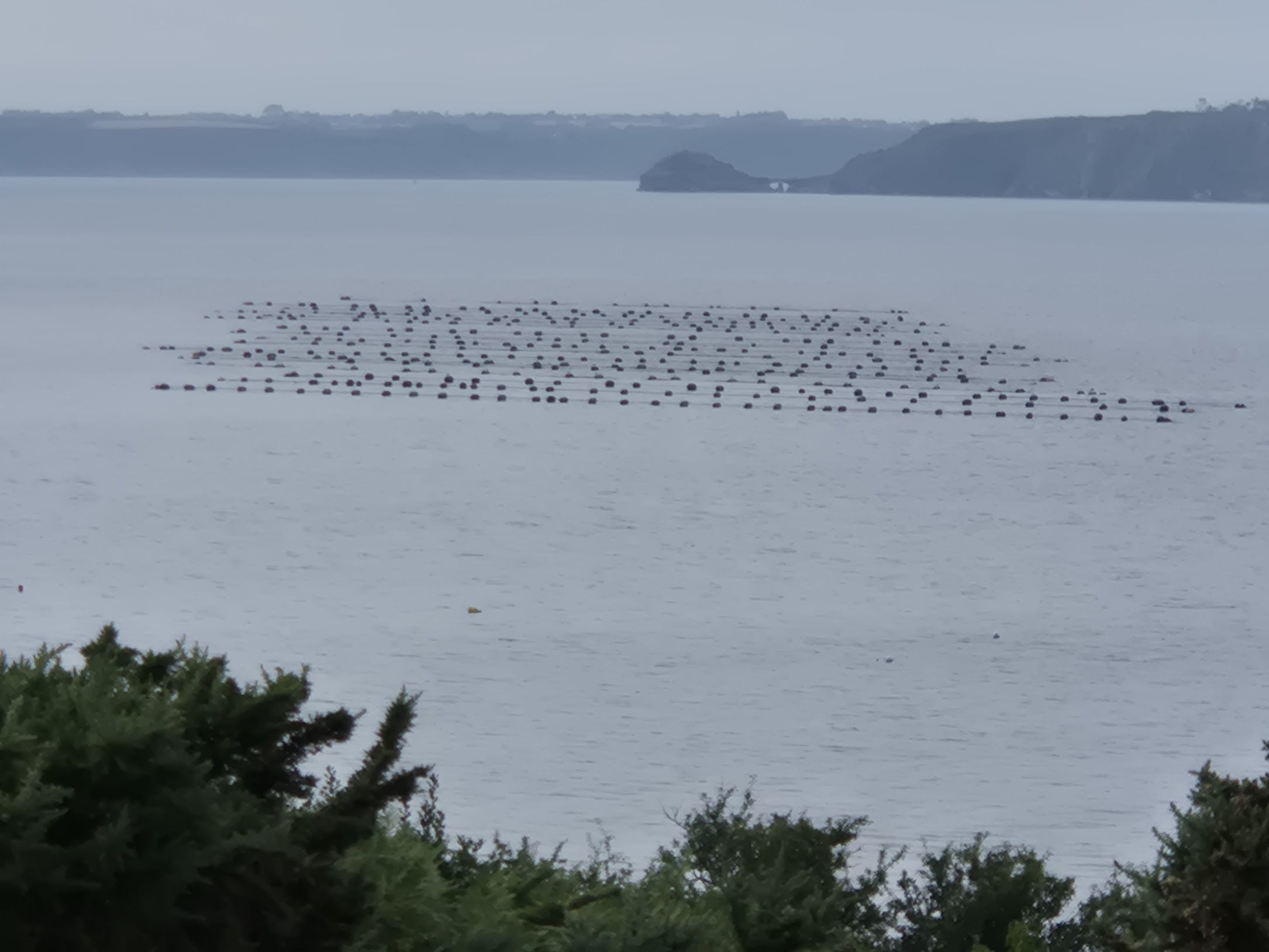
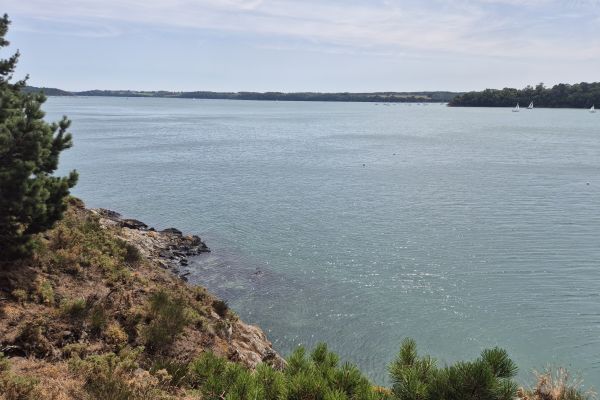
The C-Weed seaweed farm near St Malo - hardly visible! (left); fresh oysters graded and priced on the pavement in Brittany (right).
What strikes you about the Breton shellfish industry is how deeply woven into everyday life it is. This isn’t a tourist attraction or a niche product. It’s infrastructure. It’s livelihood. It’s been part of this coastline for so long that people have stopped noticing it’s remarkable.
This is a long term vision for Bruny Island and all of Tasmania. We want the seafarms in the Channel to be unremarkable. We want the seaweed on the plate to be the same, just part of normal life. That’s what a mature seafarming industry looks like.
The conversation we didn’t expect to have
“The entire seaweed industry in Brittany is under threat. Rising sea temperatures are changing everything. Most of what we produce is wild harvest — and wild harvest cannot adapt.”
Ires Dehaye · Seaweed Museum, Lanildut
Here’s the thing about Brittany that doesn’t make the tourism brochures.
At the Seaweed Museum, we spent a long time talking with Ires Dehaye, one of the most knowledgeable people in the French seaweed industry. She was warm, generous with her time, and deeply worried. Rising sea temperatures, she told us, are putting the entire wild harvest seaweed industry at risk. And almost all of Brittany’s seaweed production is wild harvest. It cannot adapt the way cultivated systems can. There are seaweeds moving up from Spain that are used to warmer waters but not suitable for cultivation.
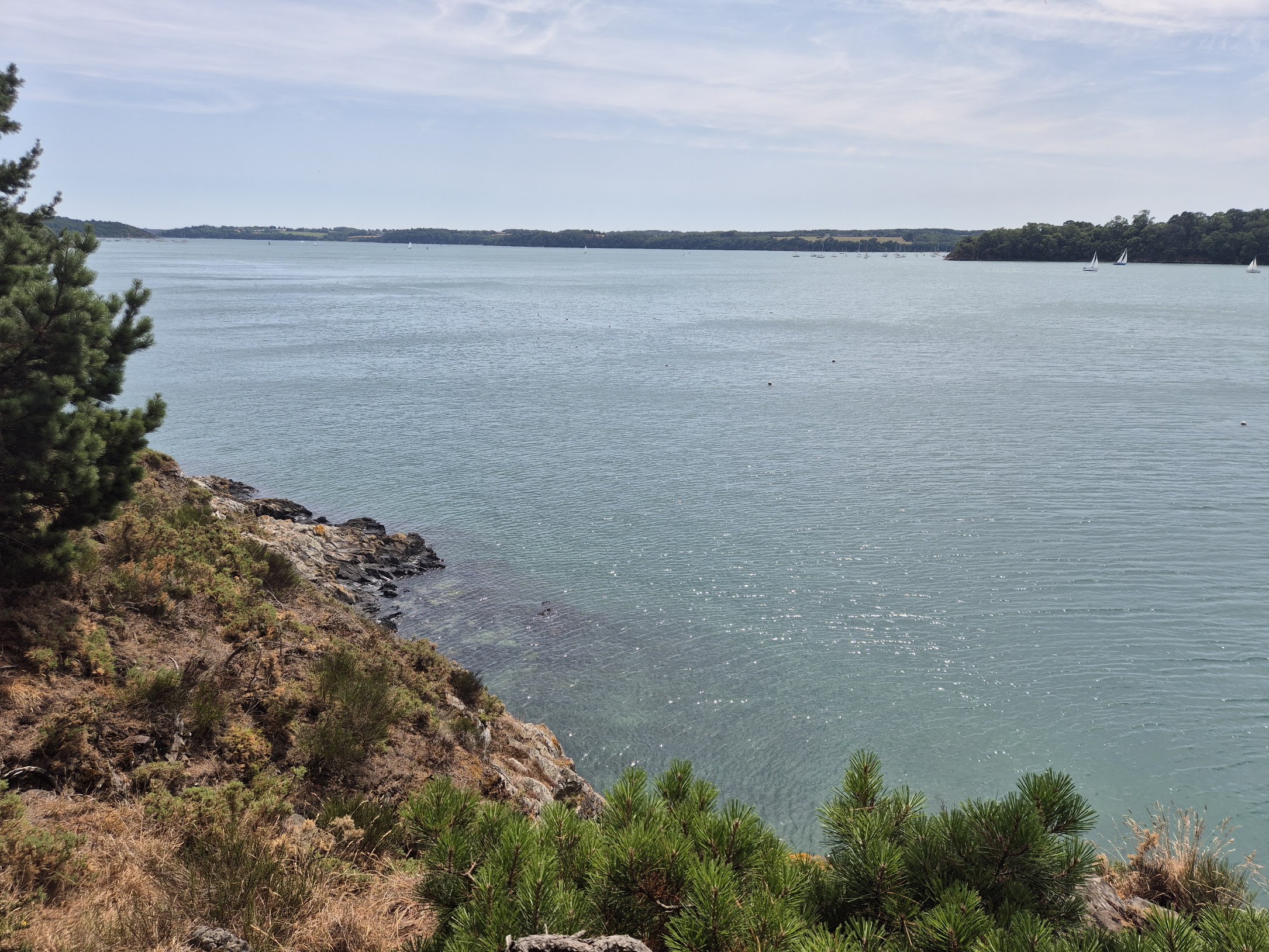
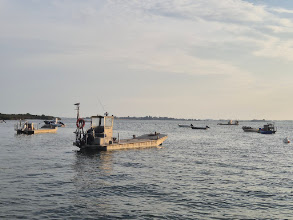
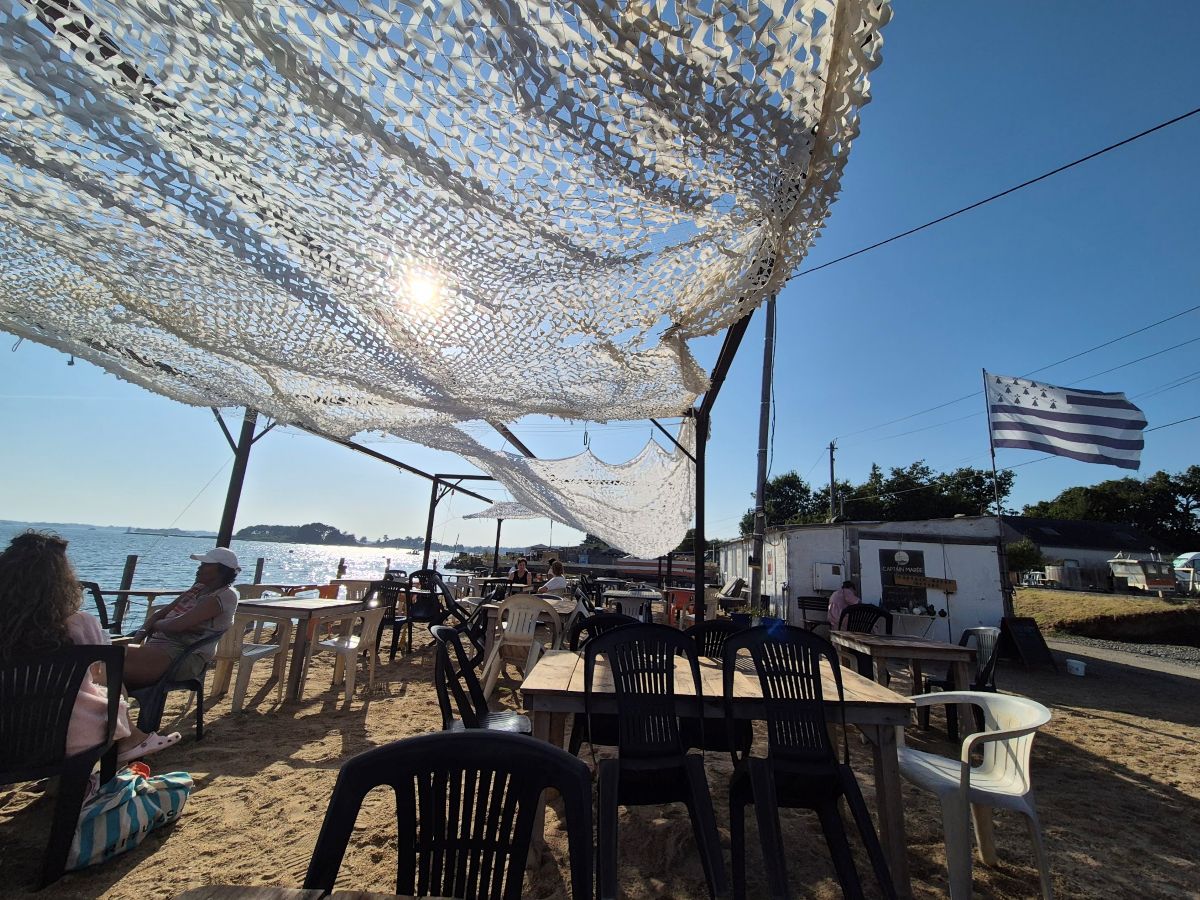
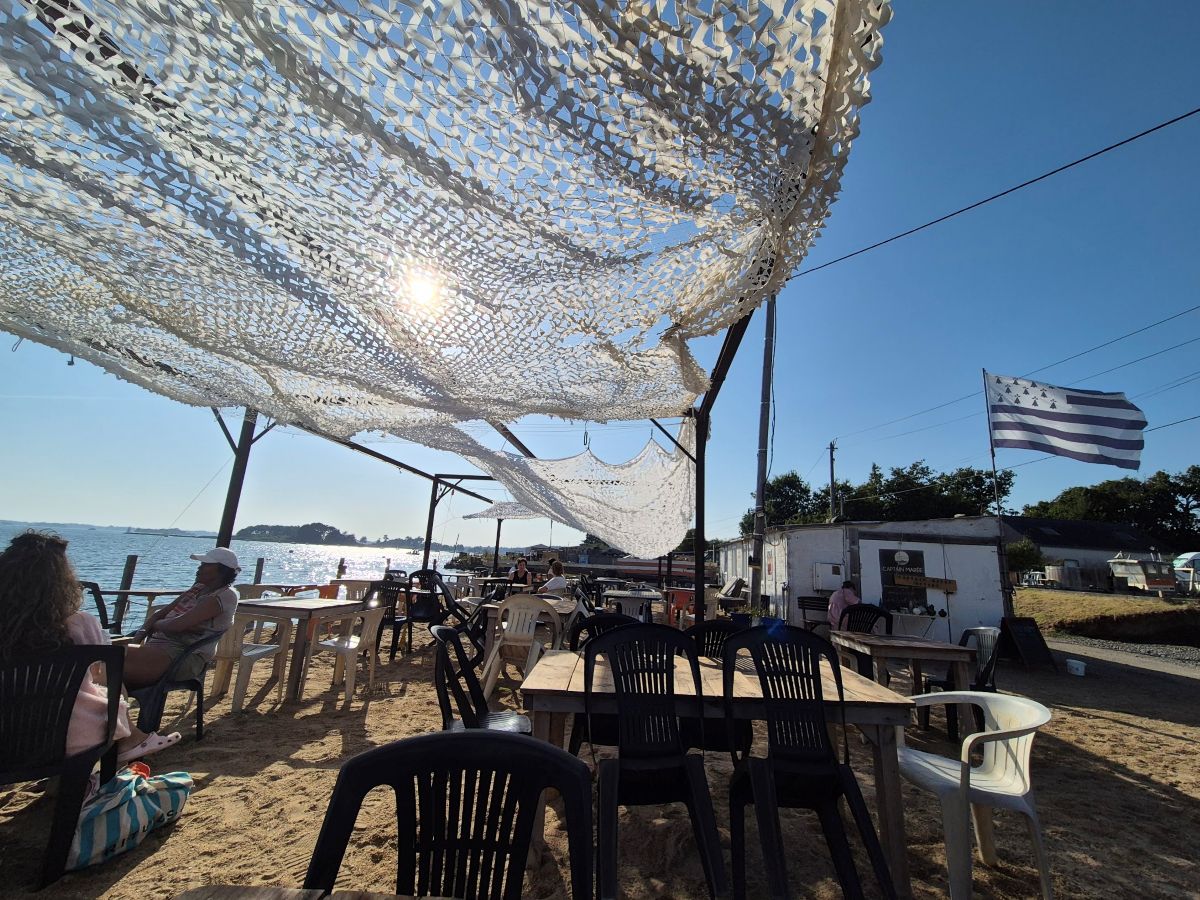
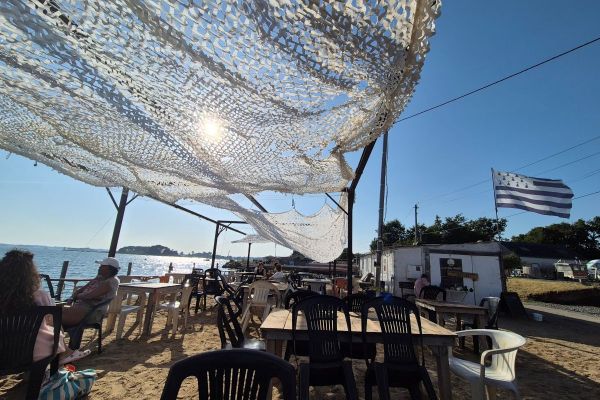
Then we drove through the Gulf of Morbihan, to a beautiful little waterfront oyster shack called Captain Maree, run by a man named Fabrice Lizee. We sat under his shade cloth canopy with the Breton flag flying overhead and the oyster barges working the bay in front of us. Fabrice told us that while we were sitting there, water temperatures in the Gulf had hit 29 degrees Celsius.
He had just thrown out 400 kilograms of spoiled oysters.
He wasn’t sure his business — or the businesses of the other oyster growers he knows — could survive what’s coming. The Gulf of Morbihan has been producing oysters for centuries. And right now, it’s struggling through rising water temperatures.
 |
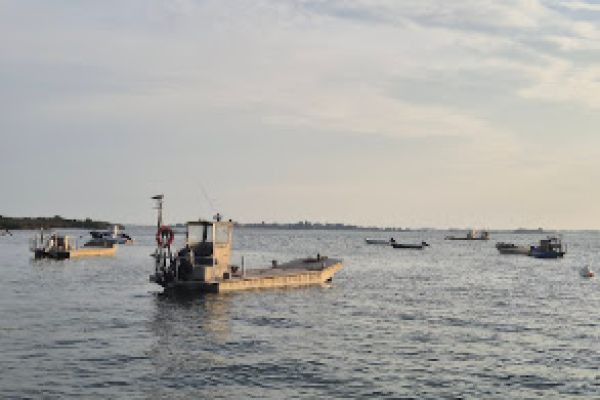 |
Captain Maree, near Séné on the Gulf of Morbihan — a cherished local institution facing an uncertain future as water temperatures climb.
We drove away from that conversation quieter than we arrived. It’s one thing to read about ocean warming in a report. It’s another to sit across a table from someone who is living it right now, in an industry their family has been part of for generations.
And it clarified something important for us. What we’re building in Tasmania isn’t just a seafarm. It’s an argument for doing things differently — before the crisis arrives, not after. Integrated Multi-Trophic Aquaculture, with careful species selection and cultivated rather than wild-harvest systems, can adapt. It can be designed for the ocean we’re going to have, not just the one we’ve had in the past. That’s a big consideration.
What we’re bringing home
We came back from Brittany with a bag full of seaweed products, a notebook full of observations, and a list of people we want to stay in touch with — Ires at the museum, Magali and Jean-François at C-Weed, Madame Poulet at Algoplus. We also came back with a much clearer sense of what’s possible, and what’s at stake.
The case for a serious Tasmanian seaweed industry has never been stronger. The case for building it in a way that is cultivated, climate-resilient, and community-rooted has never been more urgent. Brittany is showing us both what to aim for and what to avoid.
We’re going to be writing up a formal briefing from the trip for government and industry stakeholders, making the case for a Tasmanian seaweed industry strategy, R&D investment, and the idea of a study tour to Brittany that could bring politicians, academics, and industry leaders face-to-face with what is possible.
But more than anything, we came home grateful — for the people who shared their time and knowledge with us, for the community here at home who are backing what we’re doing, and for the reminder that the ocean we’re farming is connected to every other ocean in the world. What happens in the Gulf of Morbihan matters. What we build in the D’Entrecasteaux Channel matters. We are doing this for the sake of our children so together, let’s make it happen.